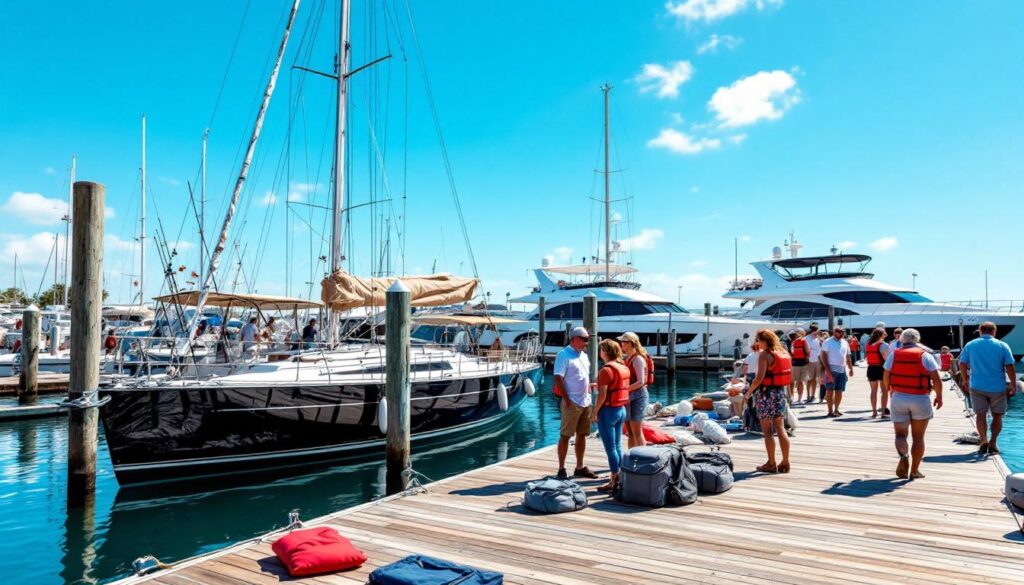






The harrowing incident on Harris Lake in August 2025 has left deep scars in the community, spotlighting the devastating consequences of impaired boating and negligence on the water. A fatal crash involving 40-year-old Quinten Kight, operating a boat under the influence, resulted in the death of 10-year-old Brooklyn Mae Carroll and left 41-year-old Jennifer Stehle severely injured. The survivor passenger voices a heart-rending reflection: “I wish I hadn’t been there that day.” This tragedy not only shakes the families involved but also renews urgent conversations on boating safety, emergency response, and community resilience.
Captured video evidence shows the reckless nature of the day, highlighting alcohol consumption and distracted operation by the driver who was reportedly watching his phone rather than the waters ahead. In light of the event, authorities have upgraded charges to second-degree murder against both Kight and the boat owner, AnneMarie Flanigan, raising pressing concerns about accountability on the lake.
As the Harris Lake community rallies around the victims and their families, the tragic episode serves as a solemn lesson in accident prevention, lake safety awareness, and the critical role of crisis support. Personal accounts, survivor stories, and reflections on regret provide invaluable insights for boaters, families, and policymakers striving to prevent future losses on our beloved waters.
Deep Dive into Survivor Stories and Regret Reflections from the Harris Lake Tragedy
Survivor stories from tragic boating incidents like the one at Harris Lake often reveal the complex emotions surrounding accidents where safety protocols fail. Witnesses and survivors carry an emotional burden that shapes their reflections, regrets, and their outlook on boating safety moving forward. One passenger, who was with her children on a nearby boat, shared a poignant account of the collision with a group of swimmers near an anchored boat. Her expression of wishing “I wasn’t there that day” underscores a universal sentiment among survivors grappling with trauma.
These regret reflections go beyond mere sorrow; they emphasize the role of individual decisions and group dynamics that culminate in tragedy. Passengers attested to an environment laden with alcohol consumption and unsafe practices such as involving cell phone distraction. The documented presence of nearly 90 empty alcohol containers aboard Kight’s boat and the refusal or inability of the driver to comply with field sobriety instructions further depict a chaotic scenario that endangered lives.
Key takeaways from survivor accounts include:
- The psychological impact of witnessing a preventable tragedy.
- The importance of awareness about alcohol’s effects on judgment and motor skills in recreational boating.
- The necessity for regulations that enforce sobriety and attentive operation among boaters.
- Emotional trauma and subsequent needs for crisis support and counseling for survivors and witnesses.
Boating enthusiasts and experts alike, including Dr. Roy Taylor, have weighed in on the dynamics, emphasizing that negligent operation and alcohol impairment clearly crossed legal and safety boundaries. The impact on survivor testimonies serves as an enduring testament calling for reinforced boating safety measures on Harris Lake and similar environments.
Table: Emotional and Practical Lessons from Survivor Stories
| Emotional Dimension | Practical Safety Lessons |
|---|---|
| Feelings of regret and survivor guilt | Adherence to clean, sober boating operations |
| Desire for prevention of future tragedy | Avoid distractions such as phone use while piloting a boat |
| Need for support networks and counseling | Enforcement of alcohol restrictions and sobriety tests |
| Emergency response reliance and community healing | Enhanced safety education and awareness programs |

Crucial Insights into Boating Safety and Accident Prevention on Harris Lake
The tragic events at Harris Lake underscore vital elements in boating safety and accident prevention strategies that remain central to safeguarding lives. Boaters’ failure to comply with safety protocols combined with alcohol abuse has transformed the serene lake into a site of fatal consequences. To mitigate similar incidents, a critical evaluation of boat operation rules, safety awareness, and enforcement mechanism is essential.
Experts endorse diversified action plans that encompass education, vigilant law enforcement, and community engagement. The consumption of alcohol, which is often underestimated as a risk factor, impairs reaction times and judgment essential for safe boating practices. Evidence from the Harris Lake incident, including the video footage revealing reckless drinking games and distractions such as driver inattention and cell phone use, highlights this danger.
Following are essential components for effective boating safety and accident prevention:
- Mandatory Sobriety Checks: Coordinated breathalyzer tests for boat operators, especially during peak recreational times and events.
- Comprehensive Boater Education: Emphasizing the perils of multitasking and alcohol consumption on the water during safety courses.
- Increased Enforcement Patrols: Strengthening surveillance and patrol presence on Harris Lake to deter unsafe behaviors.
- Technology Integration: Promoting mobile applications and devices that alert boaters to hazardous conditions and encourage focused operation.
- Community Awareness Campaigns: Engaging families and boaters in lake safety awareness focused on preventing tragedies.
Further details about equipment, best practices, and boat model recommendations can be found in extensive guides such as the Boat Model Buying Guide. This resource helps enthusiasts choose the best vessels promoting safer boating experiences, underlining the need for not only skilled operation but also appropriate and well-maintained equipment.
Table: Key Boating Safety Components for Accident Prevention
| Safety Component | Description | Expected Impact |
|---|---|---|
| Mandatory Sobriety Checks | Breathalyzer tests for operators before leaving the dock | Significant reduction in impaired boating |
| Boater Education Sessions | Training modules emphasizing safety and responsibilities | Enhanced operator awareness and behavior |
| Enhanced Patrols and Surveillance | Regular presence enforcing laws and deterring risky actions | Decreased rule violations and accidents |
| Technology Alerts | Apps and devices warning of distractions or unsafe conditions | Improved attention and reaction time |
| Community Safety Campaigns | Public outreach regarding risks and precautions | Stronger safety culture among lake users |
Examining Emergency Response and Crisis Support in the Wake of the Harris Lake Disaster
The response to the Harris Lake tragedy brought to light critical aspects of emergency management and the importance of comprehensive crisis support for survivors and the broader community. Immediate and coordinated emergency response helps contain the physical and psychological damage caused by such incidents.
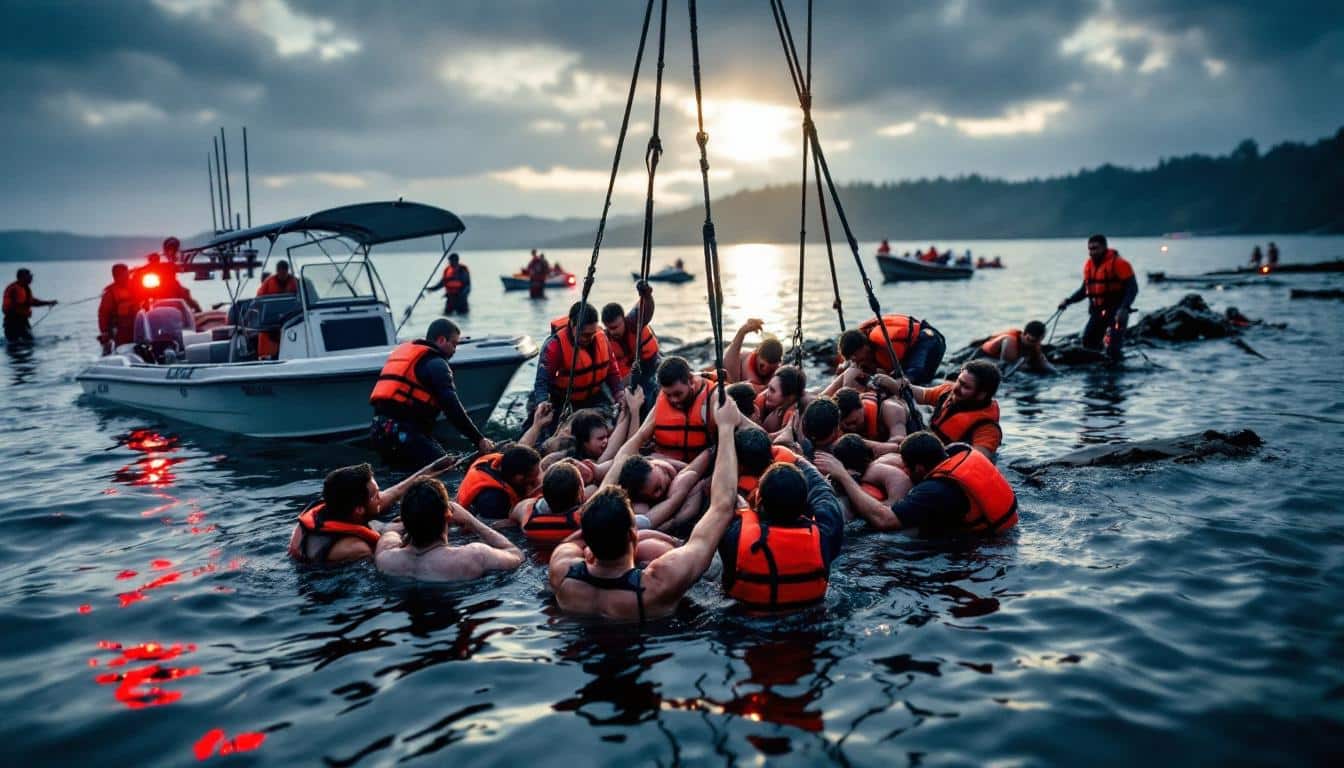
Emergency responders were quick to attend to victims including young Brooklyn Mae Carroll and Jennifer Stehle, whose life-threatening injuries demanded rapid medical intervention. Their efforts were pivotal in managing a chaotic scene complicated by multiple intoxicated individuals and the need to perform breathalyzer and sobriety assessments on all passengers.
Support for survivors and witnesses is equally critical. Many involved showed signs of trauma, necessitating mental health interventions and community services tailored to aid those experiencing grief and post-traumatic stress. Organizations specializing in crisis support have highlighted the importance of structured survivor assistance programs following such tragedies.
- Rapid medical response: Essential for reducing fatalities and long-term injuries.
- Law enforcement coordination: Managing on-site investigations safely and efficiently.
- Psychological counseling: Offering immediate and ongoing support for trauma victims.
- Family and community outreach: Creating spaces for collective mourning and resilience building.
- Legal advocacy: Assisting victims’ families with understanding rights and processes.
These components form the backbone of an effective response system that not only addresses injury treatment but fosters longer-term community resilience, essential in the aftermath of a tragedy. The case of Harris Lake thus acts as a catalyst urging enhanced preparedness plans for natural and human-made crises.
Legal Dimensions and Accountability Following the Harris Lake Boating Tragedy
The legal proceedings surrounding the Harris Lake accident highlight the rigorous pursuit of justice and accountability in cases of fatal boating crashes caused by impaired and reckless behavior. Prosecutors elevated charges from initial accusations to second-degree murder against operators Quinten Kight and boat owner AnneMarie Flanigan, underscoring the severity attributed to their actions.
Investigations conducted by the North Carolina Wildlife Resources Commission unveiled compelling evidence such as video footage showing intoxication and disregard for safe boating standards. Kight’s inability to properly perform field sobriety tests further illustrates impaired capacity at the time of the crash. Moreover, at least 90 empty alcohol containers found aboard the vessel confirm a hazardous and illegal presence of alcohol during operation.
Both defendants are held on $500,000 secured bonds, facing the full weight of judicial scrutiny amid community expectations for stringent consequences to discourage negligent boating. This incident was exacerbated by Kight’s prior release on jail bond, highlighting ongoing risk factors and the need for tighter oversight in cases involving potential repeat offenders.
This legal response has mobilized public discourse about the role of law enforcement and regulatory bodies in regulating boating practices and enforcing existing laws more strictly. The development also accentuates the balance between individual freedoms on waterways and collective responsibility for public safety.
- Legal escalation: Rendering charges commensurate with the gravity of offenses.
- Prosecution evidence gathering: Use of video and forensic analysis to establish impairment.
- Prevention of flight and repeat offenses: Application of secured bonds and court restrictions.
- Community implications: Encouraging local cooperation to support law enforcement initiatives.
- Policy reforms: Advocating for improved laws addressing intoxicated boating.
To read further details on ongoing legal proceedings, visit Ramsay Law Firm’s report on court actions and ABC11 coverage of indictments.
Community Resilience Voices and Proactive Measures for Enhanced Lake Safety Awareness
In the aftermath of the Harris Lake boating tragedy, the community’s resilience and commitment to preventing future incidents shine as a beacon of hope amidst grief. Voices from families, local officials, and boating enthusiasts call for robust safety awareness initiatives designed to foster responsible boating culture.
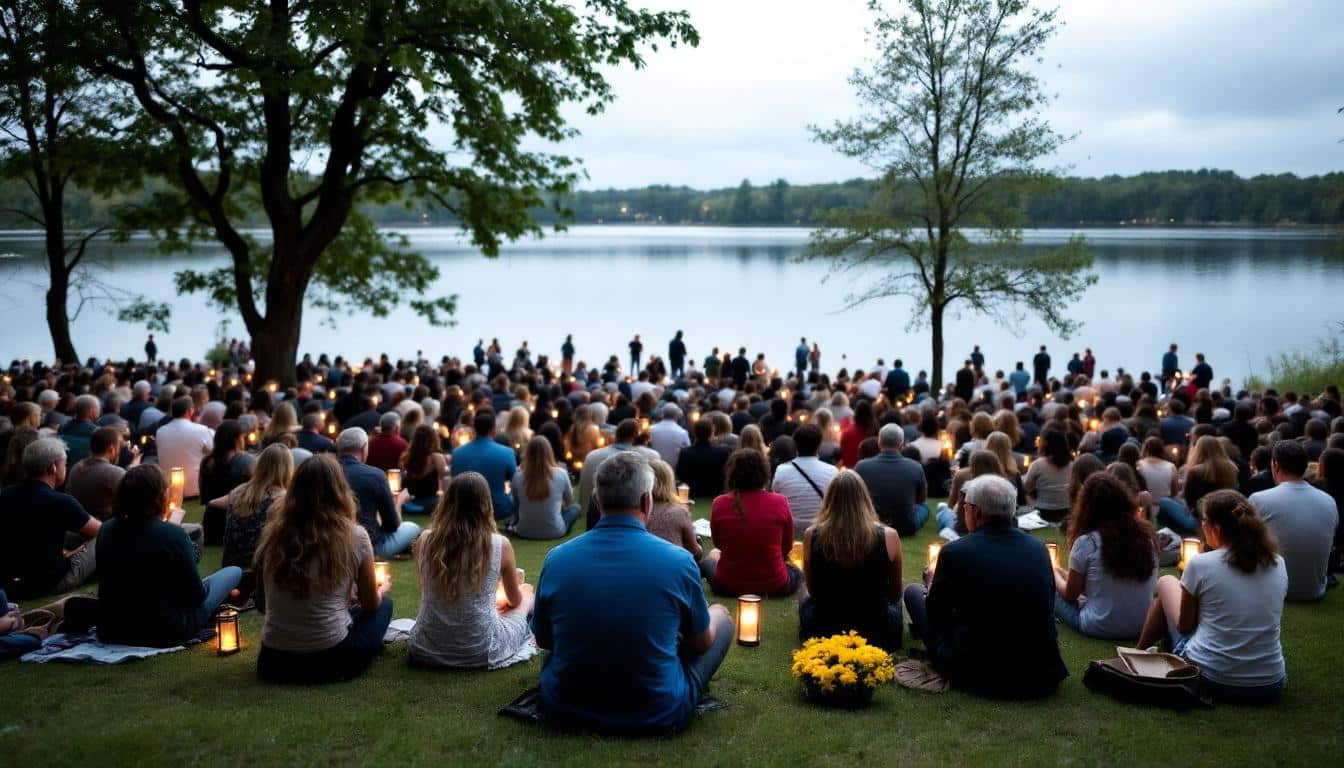
Community-led rallies and memorials have celebrated the vibrant life of Brooklyn Mae Carroll, providing collective moments for healing while reinforcing accident prevention messages. Increased patrols and safety briefings organized by local authorities aim to restore public confidence in lake safety.
Public education campaigns emphasize the necessity of sober boating, proper vessel maintenance, and adherence to safe speed and navigation rules. Moreover, survivor and witness testimonials are leveraged to cultivate empathy and awareness, enhancing community vigilance.
- Memorial events: Honoring victims and educating attendees about safe boating.
- Lake patrol enhancements: Increasing law enforcement presence and routine safety checks.
- Public safety workshops: Conducting training sessions on emergency response and accident prevention for residents and visitors.
- Partnerships with boating clubs: Promoting shared responsibility within the boating community.
- Ongoing advocacy: Advocating for state-level policies aimed at stricter boating laws and better resources.
Table: Community Initiatives Supporting Lake Safety Post-Tragedy
| Initiative | Purpose | Community Impact |
|---|---|---|
| Memorial Rallies | To honor victims and raise awareness | Promotes healing and safety attention |
| Increased Patrols | Enforce boating regulations | Improves compliance, reduces accidents |
| Safety Workshops | Educate public on best practices | Raises knowledge and preparedness |
| Boating Club Partnerships | Encourage community stewardship | Fosters responsible boating culture |
| Policy Advocacy | Improve laws and funding | Drives long-term safety improvements |
Frequently Asked Questions
- What caused the boating accident on Harris Lake?
A combination of impaired driving due to alcohol consumption and distracted operation by the boat driver led to the fatal crash. - Who were the victims involved?
Brooklyn Mae Carroll, a 10-year-old girl, was killed. Jennifer Stehle, a 41-year-old school social worker, was critically injured. - What legal charges have been filed?
Quinten Kight and AnneMarie Flanigan have been charged with second-degree murder related to the incident. - What safety measures are recommended to prevent such accidents?
Mandatory sobriety checks, enhanced patrolling, boater education, and public safety campaigns are key recommendations. - How is the community responding to the tragedy?
The community has organized memorials, increased patrols, and is actively engaging in educational and advocacy efforts to improve lake safety.