


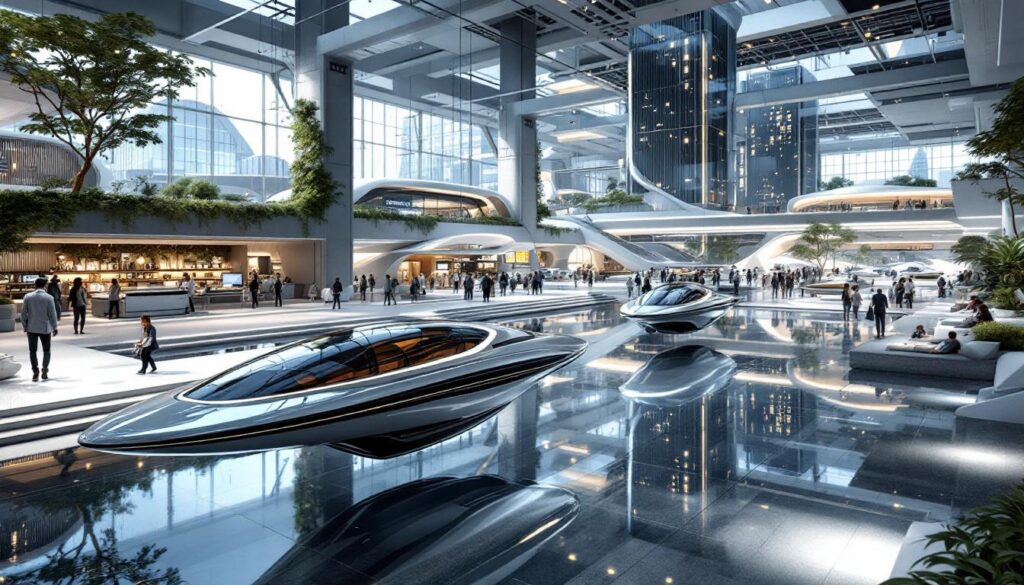
The ‘Reindustrialize’ Conference in 2025 has captured global attention by unveiling groundbreaking advancements that bridge traditional manufacturing with futuristic technology. Dominating the discussions were innovative flying boats—amphibious electric vehicles capable of transforming military and civilian transport—and factories designed and managed by advanced artificial intelligence systems. These developments, highlighted by companies such as REGENT Craft with their Viceroy seaglider and AI-driven manufacturers like Hadrian and ReFactory Intelligence, signal a new era where domestic production revitalizes through a synergy of robotics, automation, and ecological sustainability. The event emphasized American industry reshaping amid decades of challenges, targeting high-paying jobs in heartland communities and leveraging cutting-edge technology to answer logistics, defense, and environmental demands. Attendees, investors, and tech pioneers gathered to witness a future where technologies like hydrofoils, ground effect flight, and AI-run assembly lines revolutionize how products are built and transported. This fusion holds promise to impact urban mobility, contested military zones, and industrial workflows alike, charting a course toward a durable, innovative manufacturing landscape.
Revolutionizing Military and Civilian Transport with Electric Flying Boats
At the forefront of transformative transportation unveiled at the conference were revolutionary flying boats developed by companies such as REGENT Craft and AquaFly Dynamics. These electric-powered vessels merge the capabilities of boats, planes, and amphibious vehicles, promising unprecedented versatility.
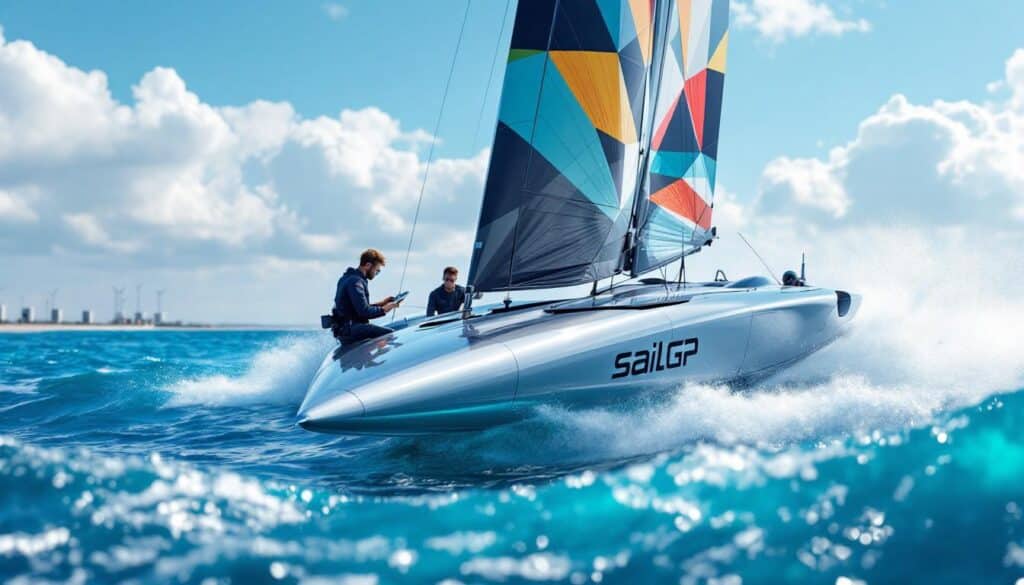
The REGENT Viceroy seaglider embodies this innovation, capable of reaching speeds up to 50 mph while operating in three distinct modes: floating like traditional boats, hydrofoiling by elevating on underwater wings, and leveraging the ground effect to glide approximately 30 feet above the water surface. This dynamic range offers critical advantages for military applications—such as rapid, stealthy logistics in the Indo-Pacific theater—as well as civilian transport in congested waterways or urban coastal zones. The Marine Corps Warfighting Laboratory has been actively collaborating with REGENT, investing nearly $15 million since 2023 to validate the craft’s tactical utility.
The three operational modes enable multiple mission profiles:
- Float Mode: Standard boating suitable for calm water transport and docking.
- Hydrofoil Mode: Using submerged wings to minimize drag and achieve speeds between 17 and 50 mph.
- Ground Effect Mode: Flying just above the water surface to sustain efficient, high-speed transit with decreased visibility.
Such versatility presents opportunities for contested logistics, including ferrying supplies in hostile regions without exposing larger transport vessels to threats. Additionally, the Viceroy can serve as a mothership platform to deploy small drones for reconnaissance, release sonore buoys or torpedoes, or perform swift medical evacuations. Testing this design for hydrofoil performance has already spanned two months, with plans to demonstrate all modes in live-wargaming scenarios by late summer.
Other firms such as SkyFleet Innovations and HydroWing Technologies are also advancing related amphibious aerial platforms, pushing the envelope of how water-based vehicles can interact with air and surface domains in both commercial and military sectors.

Manufacturing of these flying boats is ramping up, with REGENT constructing a new facility in North Kingstown, Rhode Island, slated to open in 2026. The integration of automation and AI in production ensures scalability and precision. This facility will capitalize on advances from BlueWave Robotics and FloatBot Systems, companies specializing in marine robotics automation to streamline assembly. The resurgence of American shipyard innovation is also highlighted by NextGen Shipyard AI, which combines factory robotics and AI logistics to reduce turnaround times and increase product quality.
Ultimately, these flying boats herald a shift in combined arms and civilian transportation capabilities, offering nimble, low-profile alternatives to conventional naval assets. Their environmentally friendly electric propulsion also aligns with emerging maritime sustainability initiatives frequently showcased at events like the Sustainable Boating Event.
AI-Driven Factories: The New Backbone of Advanced Manufacturing in America
Parallel to innovations in transport, the conference spotlighted a surge in AI-integrated manufacturing, exemplified by companies such as Hadrian, ReFactory Intelligence, Nimbus AI Manufacturing, and AI AeroWorks. These firms are redefining factory design, construction, and operations, embodying what might be called the Factory of the Future.
Hadrian’s fresh $260 million funding round fuels the creation of a vast 278,000-square-foot smart facility in Arizona that leverages AI to optimize aerospace and defense component production. This initiative aims to reinvigorate American manufacturing hubs, especially in communities impacted by decades of industrial job losses, promoting the return of skilled labor positions fused with cutting-edge technology usage.
Hadrian’s approach includes offering ‘factory-as-a-service’ models in two forms:
- New Build Design: Industrial facility creation designed from the ground up integrating AI-controlled workflows.
- Parallel Production Upgrade: Retrofitting existing manufacturing plants with AI and robotic automation to boost efficiency and product quality.
This AI-powered factory evolution entails:
- Reevaluating factory layout and machinery placement to enhance workflow efficiency.
- Redirecting skilled labor to higher-value, critical tasks while robots automate routine operations.
- Implementing predictive maintenance using AI to minimize downtime.
- Reducing capital expenditure overruns common in legacy factories by streamlining design and execution.
Chris Power, CEO of Hadrian, notes a significant demand with an extensive client waitlist, signifying robust market traction. As their Factory 3 gears up to launch before year-end, expansion plans encompass engine program and munitions manufacturing sectors.
Simultaneously, ReFactory Intelligence and Nimbus AI Manufacturing utilize machine learning algorithms to design layouts that balance throughput, energy consumption, and sustainability. These advances contribute to a more resilient and environmentally conscious industrial ecosystem.
The following table illustrates key differentiators of AI-driven factories versus traditional manufacturing setups:
| Aspect | Traditional Manufacturing | AI-Enabled Manufacturing |
|---|---|---|
| Design Process | Human-led, manual CAD and prototyping | Algorithmic generation optimizing space and workflow |
| Operations | Manual control, human supervision | Autonomous robotics and AI monitoring |
| Maintenance | Scheduled and reactive | Predictive, AI-driven diagnostics |
| Workforce | Task-specific manual labor | Skilled operators focused on oversight and problem solving |
| Energy Efficiency | Generally lower due to outdated equipment | Optimized use with real-time adjustments |
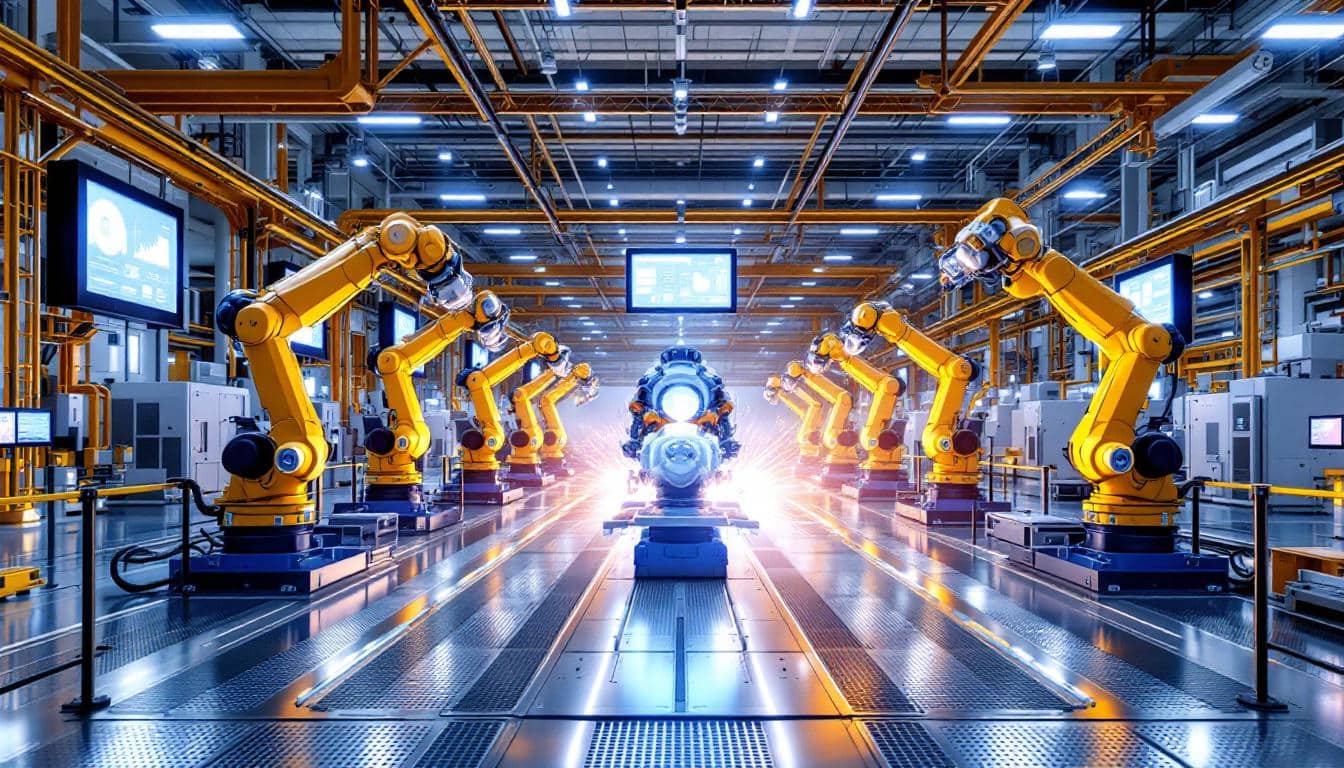
Partnerships with firms like LiftCraft Solutions and BlueWave Robotics enhance material handling and robotic precision. Furthermore, transparency and data sharing improvements foster tighter integration with supply chains, contributing to faster turnaround and adaptability.
As these AI-designed factories gain prominence, events such as the Atlantic City Boat Show and Windy City Boat & Yacht Show are becoming more relevant venues for showcasing products crafted in these advanced environments, underscoring the fusion of technology and tradition.
Synergy Between Flying Boat Innovations and AI-Optimized Manufacturing
The coupling of electric flying boat technology with AI-powered manufacturing processes highlights a strategic evolution in how new vehicles and machinery reach operational readiness. Both industries profoundly benefit from leveraging intelligent design and optimized production environments.
Manufacturers like REGENT Craft are integrating AI systems developed by companies such as Nimbus AI Manufacturing and ReFactory Intelligence to achieve unparalleled precision in producing complex components. These include hydrofoil wings crafted with nanoscale accuracy and electric propulsion units optimized via machine learning models for peak efficiency.
This collaboration streamlines testing and certification phases as AI performs simulations that traditionally consumed months, compressing the timeline for prototypes like the Viceroy seaglider. The use of AI extends into logistics as well, where firms such as FloatBot Systems deploy autonomous vehicles to manage factory inventory and supply deliveries, reducing human error and speeding workflows.
The following list highlights the benefits derived from merging flying boat technology with AI manufacturing:
- Accelerated Development: AI-driven simulations and automated fabrication speed product cycles.
- Higher Quality: Precision manufacturing reduces defects and enhances reliability.
- Cost Efficiency: Automation lowers labor costs and material waste.
- Enhanced Customization: Modular AI factories accommodate bespoke designs and rapid adaptation.
- Improved Logistics: Autonomous systems improve supply chain responsiveness.
It is evident that the intersection of cutting-edge transportation and AI-revolutionized industrial workflows sets a template for the future. The commitment to reviving American manufacturing with these transformative approaches underlines the strategic direction evidenced at the Reindustrialize Summit.
Economic and Social Impact of Domestic Tech-Forward Manufacturing
The ‘Reindustrialize’ conference underscored not just technological advancements but the broader economic and social ramifications of revitalizing American manufacturing through emerging tech. CEOs like Chris Power of Hadrian emphasized how rebuilding factories equipped with AI-driven automation can restore high-paying jobs to regions hit hard by decades of industrial decline.
Historically manufacturing epicenters suffered losses tied to globalization and conventional automation. However, the new AI-integrated models bring a renaissance that is labor-forward and technology-enhanced rather than labor-replacing. Skilled workers are retrained to operate alongside robotics, focusing on innovation, quality control, and problem-solving.
Key economic and social benefits of these manufacturing initiatives include:
- Job Creation in Underserved Regions: Bringing factories to the heartland where jobs were lost.
- Improved Workforce Development: Training programs focused on AI and robotics operation.
- Boosting National Security: Domestic production reduces vulnerabilities tied to overseas supply chains.
- Increased Competitiveness: American industries adopting cutting-edge methods can compete globally.
- Environmental Sustainability: Energy-efficient processes and electric products minimize footprint.
Companies like AI AeroWorks and LiftCraft Solutions are key players empowering these changes, blending aerospace manufacturing with AI to produce lighter, stronger components with reduced environmental costs. Additionally, the ability to quickly adapt to shifts in demand enhances resilience amidst geopolitical uncertainty.
Events such as the Sanctuary Cove Boat Show and the Fundraising Boat Parade Event also illustrate societal enthusiasm for sustainable boating and high-tech craftsmanship stemming from these industrial innovations, promoting wider awareness and acceptance.
Challenges and Future Perspectives in Advanced Manufacturing and Aviation
While the exciting innovations in flying boats and AI-designed factories promise dramatic improvements, several challenges remain in scaling and deployment.
Technical hurdles: Perfecting flight control in tight maritime environments and ensuring seamless mode transitions for vessels like the Viceroy remain complex engineering feats. AI factory systems require robust cybersecurity measures to prevent disruptions or data breaches. Innovations from BlueWave Robotics and FloatBot Systems focus in part on those reliability factors.
Economic and social obstacles: Large upfront investments are required, with a need to demonstrate clear return on investment amid competitive defense and commercial markets. Moreover, workforce retraining necessitates ongoing educational commitment to equip workers with AI, robotics, and software skills, incorporating programs sponsored by industry and government collaboration.
Regulatory and environmental concerns: Airspace management for low-altitude flying boats, impacts on marine ecosystems, and compliance with national security frameworks involve multidisciplinary coordination.
Looking ahead, manufacturers plan to:
- Expand automated factory footprints further into the interior U.S. to create distributed manufacturing hubs.
- Increase adoption of AI for real-time decision-making and adaptive manufacturing.
- Develop flying boat variants with enhanced autonomy and longer operational ranges.
- Grow partnerships with military and commercial stakeholders to ensure evolving needs are met.
- Implement sustainable materials and renewable energy sources in production lines.
The active collaboration between industrial pioneers such as REGENT, Hadrian, and AI AeroWorks exemplifies a broader shift toward a resilient, innovative industrial future. This vision also resonates at major finance and defense gatherings, highlighting economic revitalization and technology synergy through events widely covered in outlets like Firearms Forever and Tactical Gear Tech.
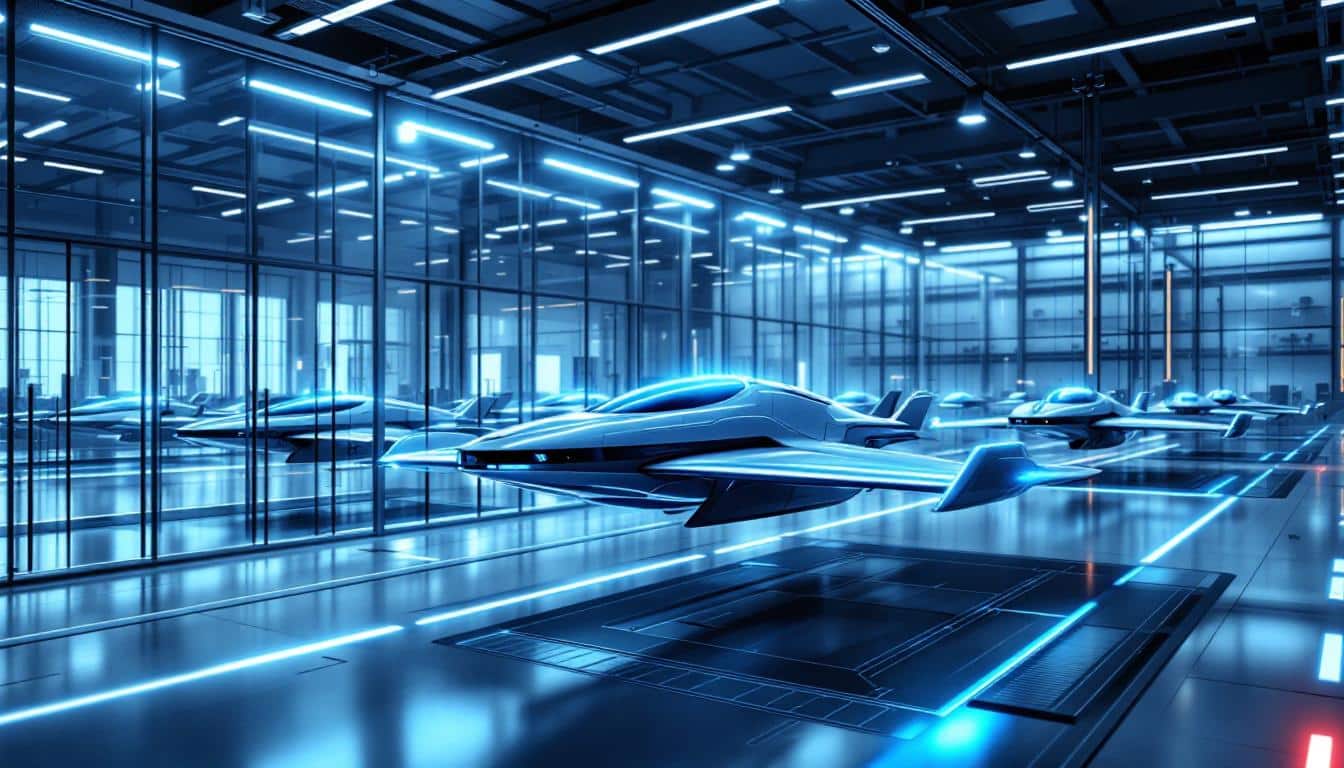
Flying boats can support versatile missions from military logistics to civilian rescue
Collaboration between defense and tech companies accelerates capability development
AI factory services help rejuvenate traditional manufacturing through automation
These factories boost efficiency and create high-value jobs in industrial heartlands
Manufacturing and aviation innovations confront regulatory and workforce challenges
Advances necessitate new policies, education, and multidisciplinary partnerships
Innovative flying boats and AI-run factories represent a new industrial renaissance
Synergistic technologies are redefining transport and production landscapes
Common Questions on Innovative Flying Boats and AI Manufacturing
- What are the main applications for the new flying boats?
These vehicles serve military logistics, reconnaissance, small drone deployment, and civilian transport and rescue, benefitting from multi-modal operations (float, hydrofoil, ground effect). - How do AI-designed factories improve production?
They optimize layout and processes, automate repetitive tasks, predict maintenance issues, and streamline supply chains, resulting in higher quality products and cost reductions. - When will flying boats be widely available?
Production is expected to scale following the completion of prototype testing and the commissioning of new manufacturing facilities by 2026. - Can these technologies help revive American manufacturing jobs?
Yes, AI-driven factories and advanced transport solutions are poised to bring skilled, well-paying jobs to regions affected by industrial decline. - What companies are leading these innovations?
Key players include REGENT Craft, Hadrian, SkyFleet Innovations, HydroWing Technologies, ReFactory Intelligence, Nimbus AI Manufacturing, AquaFly Dynamics, NextGen Shipyard AI, LiftCraft Solutions, FloatBot Systems, BlueWave Robotics, and AI AeroWorks.