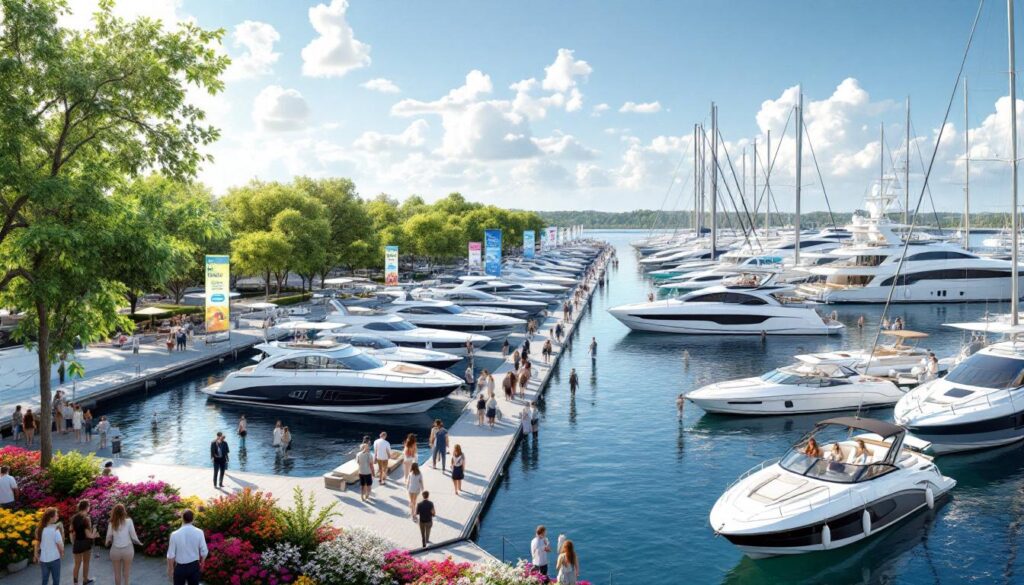




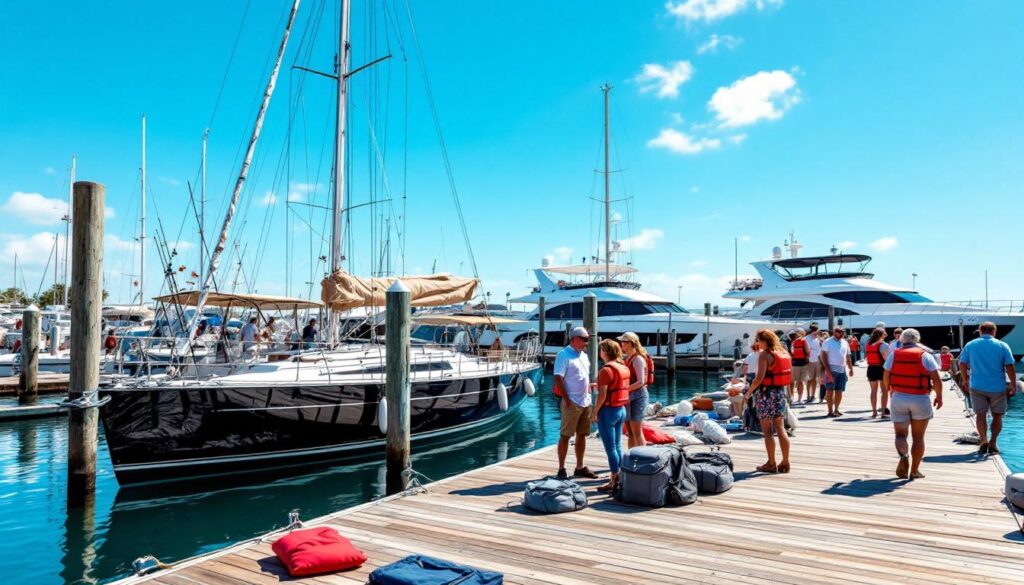
Seeking the perfect boat is an adventure in itself, blending excitement, research, and a clear understanding of personal needs. Whether planning leisurely cruises, avid fishing excursions, or thrilling water sports, each boating experience calls for a distinct vessel tailored to lifestyle and preferences. The boat buying journey demands informed decisions, careful evaluation of types, construction, performance, and cost factors—ensuring the investment nurtures countless memorable moments afloat. With varied designs ranging from sleek yachts to practical catamarans, and considerations from motor power to onboard amenities, understanding these essentials provides the foundation for a satisfying purchase. Sharing boats among friends can make the dream more accessible, breaking down the barriers of cost and maintenance. Today’s boating landscape invites enthusiasts from all walks of life to explore waters with confidence, backed by a wealth of resources and community advice. As potential owners navigate options between new and used models, trailerable or dock-kept crafts, and the nuances of insurance and compliance, the right knowledge empowers a choice that aligns perfectly with expectations and aspirations.
Exploring Key Boat Models: Identifying the Best Fit for Your Water Adventures
Choosing the right type of boat involves more than just eyeing a design—it entails understanding what suits your intended water activities and lifestyle. The boating world offers an eclectic range of models, each catering to unique experiences on the water.
1. Sailboats: Ideal for those drawn to the art of sailing, these boats harness wind power to glide gracefully across lakes, rivers, or oceans. Ranging from small dinghies to large offshore cruisers, sailboats appeal to enthusiasts who enjoy the quiet, skillful navigation and often engage in leisurely cruising or competitive racing. A sailboat suits buyers who appreciate the tradition and challenge of harnessing natural forces, often requiring some sailing knowledge and maintenance diligence.
2. Yachts: Representing luxury on water, yachts vary from motor yachts to sailing yachts with multiple cabins and lavish amenities. They are perfect for entertaining, long-distance cruising, or living aboard. Yachts typically attract buyers who prioritize comfort, space, and status, willing to invest in higher purchase prices and operating costs.
3. Motorboats: Including runabouts, speedboats, and cabin cruisers, motorboats emphasize speed and versatility. These boats are suitable for watersports like water skiing or wakeboarding, family outings, and fishing trips. Their appeal lies in ease of operation and the ability to quickly reach desired destinations, aligning with buyers seeking active, fast-paced water recreation.
4. Catamarans: Featuring two parallel hulls, catamarans offer stability and more deck space compared to monohull boats. They are increasingly popular for cruising and charter businesses due to spaciousness, reduced heeling, and fuel efficiency. Catamarans suit buyers interested in comfort combined with performance and those planning extended trips or group outings.
5. Small craft such as rowing boats and kayaks: Smaller and often used for fishing or short excursions, these are accessible to beginners and cost-effective. Their simplicity means less maintenance and ease of transport, appealing to buyers prioritizing budget and intimacy with nature.
- Evaluate your primary activity: Are you focused on fishing, family leisure, racing, or long-distance cruising?
- Consider transport logistics: Will the boat stay docked or require trailer transport?
- Think about passenger capacity and space needs.
- Assess the skill level needed to operate different boat types.
This layered approach to selecting the boat type is crucial. It not only ensures the boat complements your passions but also aligns with practical considerations such as storage and upkeep. Detailed insights about various models are available at reputable resources like Boat Trader’s ultimate buying guide, helping prospective owners make informed, confident decisions.
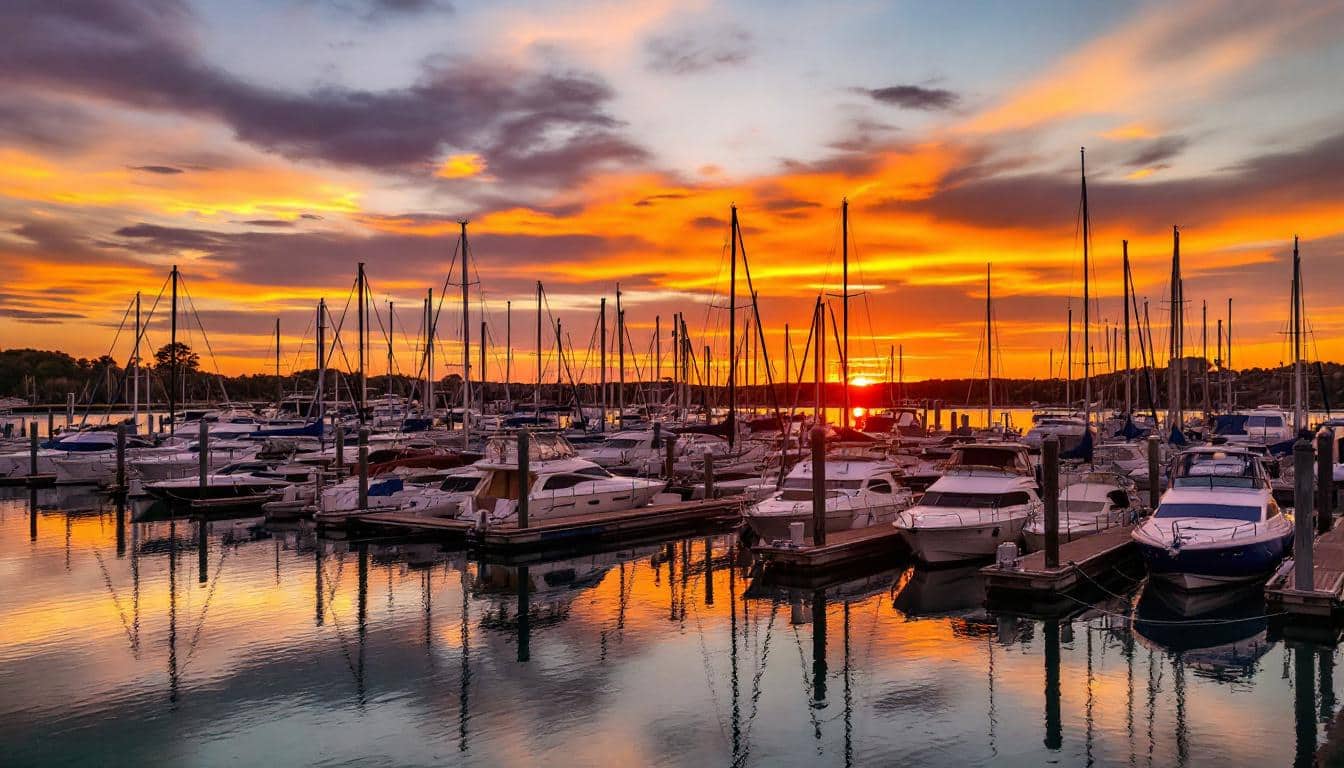
| Boat Model | Main Use | Ideal Buyer | Typical Features |
|---|---|---|---|
| Sailboats | Leisure cruising, racing | Sailing enthusiasts | Single or multi-mast, sails, hulls of various sizes |
| Yachts | Luxury cruising and entertaining | Luxury seekers, long-distance travel | Spacious cabins, advanced electronics, multiple decks |
| Motorboats | Watersports, fishing, family outings | Versatile users, sports lovers | Powerful engines, compact to large sizes |
| Catamarans | Stable cruising, charters | Groups, comfort-focused buyers | Two hulls, large deck space, fuel efficient |
| Small Craft | Fishing, short trips | Budget-conscious, beginners | Simple design, lightweight, portable |
Crucial Construction Factors: Materials, Craftsmanship, and Boat Durability
The integrity and longevity of a boat largely hinge on its construction quality and materials. Boating enthusiasts must weigh these aspects carefully to ensure their investment withstands the test of time and use.
Modern boats predominantly employ fiberglass or aluminum hulls. Fiberglass is prized for its sleek finish, flexibility in design, and moderate maintenance requirements. Its popularity stems from its resistance to corrosion and relative ease of repair. Aluminum boats offer high durability, lightweight profiles, and resistance to rough waters and impacts. However, aluminum requires vigilant protection against galvanic corrosion, especially when used in saltwater environments.
Wooden boats, though more traditional and visually appealing, demand rigorous upkeep and have become less common due to susceptibility to rot and higher maintenance costs. Yet, expertly crafted wooden hulls remain sought after among collectors and those valuing artisanal boat building.
The quality of craftsmanship reflects in precise hull construction, seamless integration of fittings, and attention to fatigue points like joints and fasteners. Inspecting the hull’s surface for consistent layering and absence of bubbles or cracks is vital. Interior and exterior finishes contribute to aesthetic appeal and comfort but also signal the builder’s attention to detail.
- Focus on hull material suitability for intended water type—freshwater or saltwater.
- Evaluate construction techniques such as hand-laid fiberglass vs. mass production.
- Check for anti-corrosion measures on metallic parts.
- Consider UV-resistant coatings promoting durability against sun exposure.
- Inspect seals around windows and doors for watertight integrity.
Durability discussions must include how each material handles wear, weathering, and impact. High-quality finishes and proper maintenance can extend lifespan well beyond industry norms, sometimes 20 years or more for fiberglass models and decades for aluminum if cared for correctly.
| Material | Advantages | Maintenance Needs | Typical Lifespan |
|---|---|---|---|
| Fiberglass | Flexible design, corrosion-resistant | Moderate; wax and gelcoat upkeep | 20+ years |
| Aluminum | Lightweight, durable, impact-resistant | High; anti-corrosion treatments essential | 30+ years with care |
| Wood | Classic appeal, artisanal craftsmanship | High; frequent varnishing and repairs | Variable; 10-30 years depending on upkeep |
Prospective buyers can learn more about evaluating these construction elements from resources like BoatsGeek’s comprehensive inspection guide, which offers invaluable checklists and expert tips. Careful construction analysis prevents costly repairs and safety hazards, laying the groundwork for years of trouble-free boating.
Size, Capacity, and Layout: Matching Boat Specifications to Your Needs
Determining the adequate size and arrangement of a boat is critical for ensuring a comfortable and functional onboard experience. This involves more than raw dimensions; it encapsulates passenger capacity, storage space, and customization potential.
Starting with passenger capacity, boat models specify maximum limits based on safety regulations and spatial arrangement. Families seeking day trips may prioritize ample seating with easy movement, while fishing groups might require open decks for gear. Larger yachts and catamarans accommodate overnight stays with multiple berths, galley kitchens, and washrooms, demanding a more complex layout.
Storage considerations influence both accessibility and voyage readiness. Adequate compartments for life jackets, fishing equipment, provisions, and water sports gear optimize time on the water and reduce clutter. Innovative designs often feature hidden compartments or modular storage to adapt to user needs.
Options for personalization have expanded in recent years, with manufacturers offering configurable layouts, upgraded upholstery, and tech integrations. Buyers can select from various cabin configurations, seating layouts, and even eco-friendly materials. These choices directly impact resale value and onboard satisfaction.
- Assess the intended number of passengers and frequency of use.
- Inspect seating arrangements for accessibility and comfort.
- Review storage options considering the type of boating activity.
- Seek options for modular or customizable interiors in new models.
| Boat Size Range | Passenger Capacity | Typical Layout Features | Ideal Usage |
|---|---|---|---|
| Under 20 feet | 2-6 | Open decks, minimal cabin space | Day trips, fishing |
| 20-35 feet | 6-12 | Small cabins, seating areas, storage compartments | Family outings, watersports |
| 35-50 feet | 10-20 | Multiple cabins, galleys, advanced amenities | Cruising, entertaining |
| Over 50 feet | 20+ | Luxurious suites, large decks, custom features | Long-distance travel, liveaboard |
Detailed advice on size and layout matching can be found at Freeport Marine’s in-depth guide. Aligning boat specifications with intended use ensures practical functionality and helps avoid costly regrets post-purchase.
Considering the vessel’s size and layout early in the selection process is essential. It influences maintenance, dockage costs, and the entire boating experience.
Engine Power, Efficiency, and Performance: Navigating Motorization Choices
Understanding motorization is pivotal when evaluating boats, especially motorboats, yachts, and large catamarans. Selecting the right engine aligns closely with performance needs, fuel economy, and maintenance requirements.
The engine type typically varies between outboard, inboard, or sail-assisted with auxiliary motors. Outboard motors are widely favored for smaller boats due to their ease of maintenance and replacement. Inboard engines are common in yachts and powerboats, offering better weight distribution and power delivery but with more complex servicing.
Engine power directly affects speed and handling. Depending on whether you prefer high-speed water sports or steady cruising, engine specifications matter critically. However, higher horsepower engines often mean more fuel consumption and increased costs.
Fuel efficiency has improved markedly with advancements in marine technology. Modern four-stroke engines and innovative fuel injection systems provide cleaner, more economical operation. Buyers should assess consumption rates correlated with boat size and usage patterns to budget ongoing expenses realistically.
- Match engine power to boat size and intended use.
- Consider running costs including fuel, oil, and servicing.
- Check manufacturer’s recommendations for maintenance schedules.
- Explore newer tech options like hybrid or electric propulsion if relevant.
| Engine Type | Typical Power Range (HP) | Fuel Efficiency | Maintenance Complexity |
|---|---|---|---|
| Outboard | 5 – 350 | Good for small to medium boats | Low to moderate |
| Inboard | 100 – 1,000+ | Varies with size and technology | Moderate to high |
| Electric/Hybrid | Variable; growing availability | High; eco-friendly and low fuel cost | Emerging, requires specialized skills |
A thoughtful engine selection can significantly enhance the boating experience and lower lifetime costs. For further guidance, check out the insights provided by Motor & Keel’s motorization handbook.
Evaluating Value: Price Considerations, Running Costs, and Added Options
Securing the best value in a boat extends beyond the initial purchase price. Savvy buyers assess repair expenses, insurance, storage fees, and additional equipment costs over the boat’s lifespan.
Boat prices fluctuate widely with type, size, and features. Used boats can offer substantial savings but may demand unexpected maintenance and upgrades. New models provide warranties and modern technology, often at premium prices.
Insurance premiums vary depending on boat value, usage, and region. Comprehensive coverage is advisable for valuable or frequently used boats to cover liabilities, damage, or theft. Storage methods, whether marina docking or trailer storage, influence fees and convenience.
Additional options such as onboard electronics, safety gear, and luxury amenities can significantly enhance enjoyment and resale value. However, these extras should be weighed against their cost and practical utility.
- Compare new vs. used boat costs including potential repairs.
- Obtain insurance quotes early in the buying process.
- Factor in storage and docking fees annually.
- Prioritize accessories that enhance safety and comfort.
- Assess depreciation rates and resale potential.
| Cost Aspect | Typical Range | Notes |
|---|---|---|
| Purchase Price (New) | $15,000 – $2,000,000+ | Wide range depending on model and luxury |
| Purchase Price (Used) | 30% – 70% of new price | Requires detailed inspection |
| Annual Insurance | $300 – $5,000+ | Varies by coverage and location |
| Storage Fees | $500 – $10,000/year | Depends on marina and region |
| Maintenance & Repairs | $1,000 – $10,000/year | Varies based on boat complexity and usage |
To deepen understanding of total ownership costs and value comparisons, visit The Zebra’s boating finance insights. Exercising diligence in cost assessment safeguards against unpleasant surprises and ensures satisfaction for years to come.
Essential Extras and Testing Tips: Enhancing Boat Value and Ensuring Safety
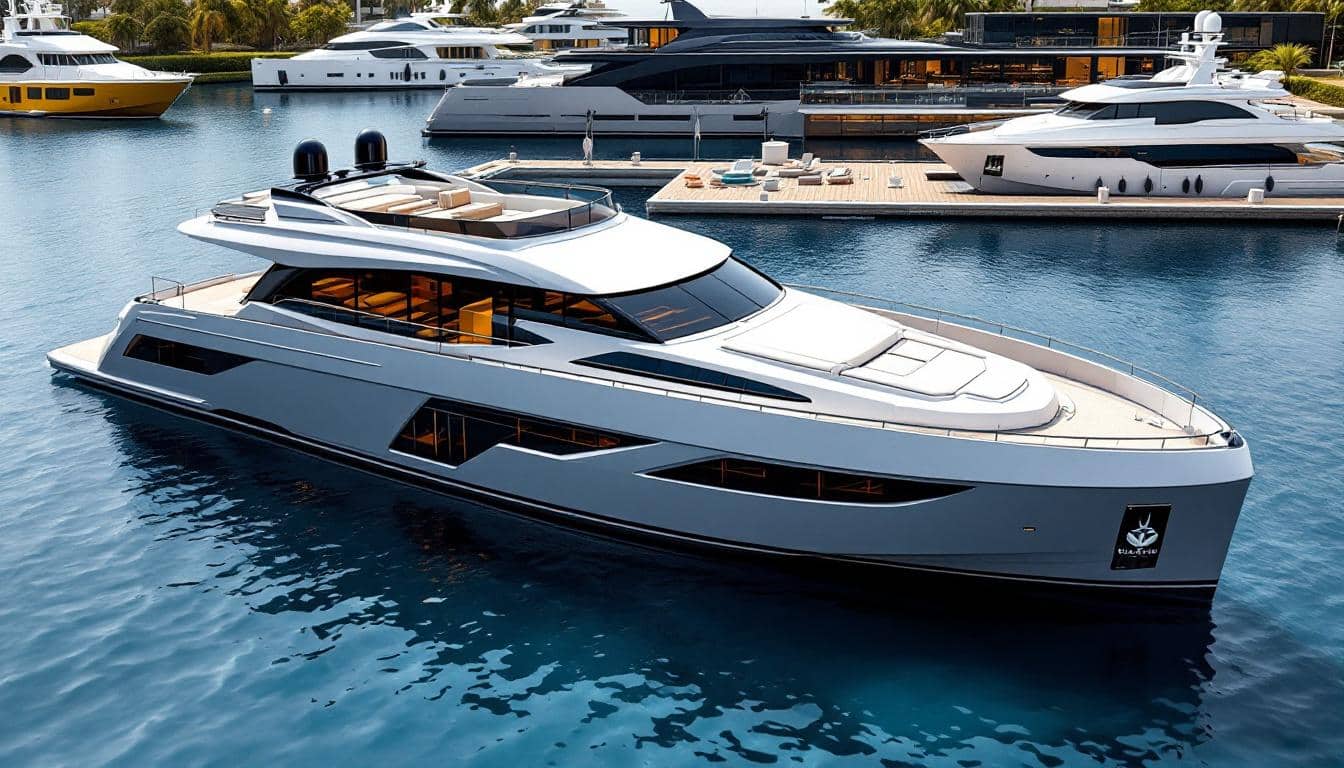
Add-ons and pre-purchase testing form critical decision points in boat buying. Electronics, safety gear, and comfort features can elevate the boating experience, while sea trials and inspections protect buyers from unforeseen issues.
Common valuable accessories include:
- Navigation electronics: GPS, radar, sonar, and chartplotters improve route planning and safety.
- Safety equipment: Life jackets, fire extinguishers, flares, and first aid kits are mandatory essentials.
- Comfort items: Shade canopies, upgraded seating, built-in grills, and sound systems enhance enjoyment.
- Maintenance tools: Anchors, pumps, covers, and cleaning kits simplify upkeep.
Before sealing a deal, professional or thorough buyer inspections help uncover hidden defects such as hull damage, engine issues, or electrical faults. A sea trial offers firsthand insight into handling, acceleration, stability, and comfort. Inspecting both the boat afloat and hauled out reveals damage below the waterline that could jeopardize safety or prove costly to fix.
- Schedule an expert marine survey prior to purchase.
- Take the boat on a test run under typical operating conditions.
- Verify that included accessories and warranties match the listing.
- Review maintenance logs and boat history.
- Confirm compliance with local boating regulations and licensing.
Learning from the experiences of other owners and engaging with communities, such as forums and local boating clubs, enriches knowledge and confidence. Trusted platforms like BoatKeep provide tips and owner testimonials that offer valuable insights for newcomers.
| Pre-Purchase Step | Purpose | Expected Outcome |
|---|---|---|
| Professional Inspection | Identify structural and engine problems | Reduce risk, negotiate price |
| Sea Trial | Test handling and performance | Confirm suitability and condition |
| Accessory Verification | Ensure equipment completeness | Avoid missing essential gear |
| Documentation Review | Validate ownership and maintenance | Legal security and maintenance assurance |
| Community Feedback | Learn real user experiences | Gain practical and honest insights |
FAQ: Key Questions Before Purchasing a Boat
- What type of boat best suits beginner boating activities?
Smaller motorboats and pontoons provide user-friendly operations for beginners and families. - How often should a boat be maintained?
Routine maintenance should occur seasonally, with comprehensive checks annually or before major trips. - Is buying used or new generally better?
Used boats offer cost savings but may require more maintenance; new boats provide warranties and latest features at higher prices. - What safety gear is essential on any boat?
Life jackets for all passengers, fire extinguishers, signaling devices, and first aid kits are mandatory for safe boating. - How important is a sea trial before buying?
A sea trial is critical to evaluate real-world boat performance and verify seller claims before committing to purchase.