



The recent tragedy at Harris Lake has significantly impacted the North Carolina community and brought to light critical concerns about boating safety and legal responsibility. On a summer weekend in 2025, a fatal boating accident claimed the life of 10-year-old Brooklyn Carroll and severely injured Jennifer Stehle, a dedicated Wake County school social worker. The incident has spurred an intense legal battle, with AnneMarie Flanigan, the registered owner of the boat involved, now facing serious charges. Her court appearance marked the unfolding of new revelations that delve into the complexities of the accident investigation, the roles of those involved, and the broader implications for public safety on North Carolina’s waterways. This unfolding case emphasizes the urgent need for accountability and vigilance in recreational boating, highlighting the ripple effects such tragedies have on families, communities, and legal systems alike. For further insights into this tragedy and the ongoing legal proceedings, readers can follow detailed coverage here and here.
Legal Proceedings Surrounding AnneMarie Flanigan and the Harris Lake Boat Crash
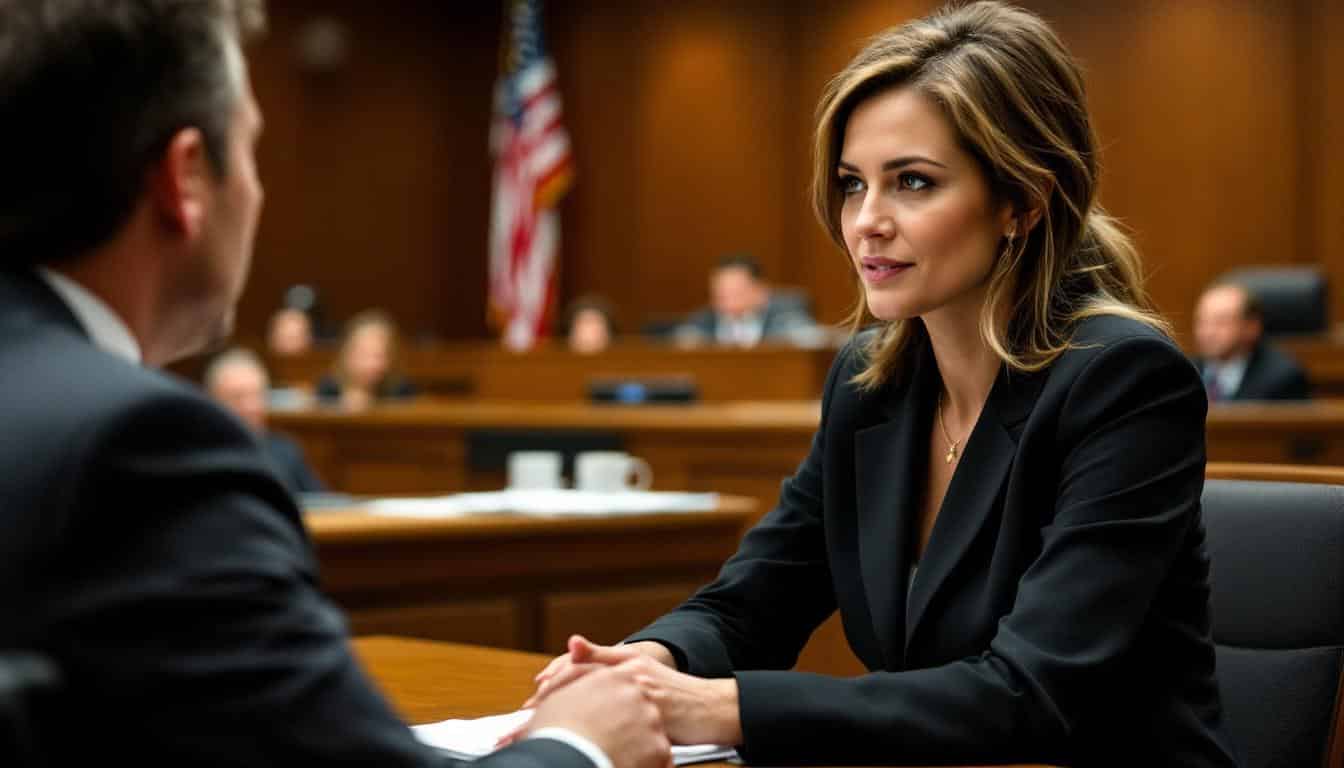
The court case that has ensued following the Harris Lake tragedy places AnneMarie Flanigan at the center of a complex legal struggle. Charged with death by impaired boating, serious injury by impaired boating, and aiding and abetting impaired boating, Flanigan stands as the boat’s owner and a pivotal figure in the ongoing investigation. During her initial appearance in Chatham County court, prosecutors emphasized her potential flight risk based on a recorded phone call in which Flanigan discussed plans to leave North Carolina and move to Wisconsin shortly after the accident. This development heightened concerns over her availability for continued legal hearings.
Her legal defense hinges on several key points. Flanigan’s court-appointed attorney, J.D. Xerri, highlighted her background as a former Army nurse who served four combat tours, underscoring her commitment by staying on site after the accident to provide aid to victims until EMS arrived. These actions stand in contrast to allegations of her complicity, yet the district attorney countered such claims by presenting witness testimonies that placed Flanigan on the boat during the incident. Further complicating the case, prosecutors argued that Flanigan gave a misleading statement about her presence during the crash, challenging the veracity of her account.
The court also examined the legal precedent established by the North Carolina Supreme Court ruling in State v Gibbs, which states that the owner of a vehicle can be held liable if they knowingly allow someone impaired to operate it. Applying this to boating, Flanigan’s liability comes under scrutiny due to her relationship with Quinten Kight, who allegedly piloted the boat under the influence, resulting in the catastrophic accident. Prosecutors disclosed that Kight was already out on bond for a previous hit-and-run case, further deepening the gravity of the situation.
- Bonds and Charges: Flanigan’s bond was set and maintained at $500,000 following the judge’s review.
- Flight Risk Concerns: Phone evidence showing intent to move out of state increased prosecutorial concerns.
- Legal References: State v Gibbs precedent impacted charge assignments for boat owner liability.
- Defense Arguments: Claims of Flanigan’s aid at the accident scene and her military background.
- Prosecutorial Evidence: Witness testimonies, contradicting statements, and past criminal involvement of Kight.
Each element of these legal proceedings shapes a high-stakes narrative that will play out in the coming months in North Carolina’s judicial system, affecting both the family of the victim and the broader public concerned with boating safety laws. For more about the legal battle, see detailed coverage.
Investigation Details Reveal Complexity of the Harris Lake Boat Crash
Investigators piecing together the events leading to the Harris Lake accident have uncovered a multifaceted set of circumstances involving alcohol consumption and questionable decision-making aboard the boat. Authorities found nearly 90 empty alcohol containers on or near the vessel, highlighting the extensive consumption that contributed to unsafe conditions. Notably, Flanigan was not found to be under the influence at the time of the accident, but she was present for the purchase and transport of the alcohol involved.
The driver, Quinten Kight, was alleged to have been impaired, directly causing the boat to collide with a group of swimmers, including the young victim Brooklyn Carroll. Passengers on board, numbering around ten including children, complicated the witness statements, as the chaotic scenes left different recollections of who saw what and when. Although Flanigan’s defense posits that she may not have witnessed the crash itself given the crowded vessel, prosecutors maintain that her presence implicates her responsibility.
Additional scrutiny on the relationship between Flanigan and Kight revealed prior incidents involving Kight, such as a 2023 hit-and-run for which he was out on bond. The connection raised questions about Flanigan’s knowledge and potential support of Kight’s reckless behavior over time, complicating the narrative of isolated accident to one of ongoing risk and irresponsibility.
- Alcohol Involvement: Nearly 90 empty containers indicate excessive drinking on board.
- Driver Impairment: Kight accused of driving under the influence leading to fatalities.
- Witness Challenges: Multiple passengers with varying accounts of the incident.
- Prior Criminal Record: Kight’s previous hit-and-run adds weight to legal concerns.
- Flanigan’s Role: Present for alcohol acquisition, maybe unaware of Kight’s impairment.
| Aspect | Details |
|---|---|
| Alcohol Containers Found | ~90 on and around the boat |
| Passengers on Boat | Approximately 10, including children |
| Victims | One fatality, one critically injured |
| Known Prior Offense | Kight’s 2023 hit-and-run |
| Legal Charges on Flanigan | Death and serious injury by impaired boating, aiding/abetting |
The ongoing accident investigation has profound implications not only for the individuals directly involved but also for boating regulations and safety awareness throughout North Carolina. Staying informed on the development of this case is essential for the public, given the tragedy’s stark reminder of the consequences when alcohol and boat operation mix dangerously. Additional reporting can be found here and here.
Implications for Public Safety and Boating Regulations in North Carolina
The Harris Lake accident has cast a glaring spotlight on the state’s boating safety measures and the enforcement of laws designed to protect those enjoying North Carolina’s waterways. This tragedy highlights critical gaps that regulatory authorities need to address to prevent similar incidents. Currently, the case has prompted discussions around the responsibilities of boat owners, especially in relation to impaired operation and the presence of minors onboard.
Several challenges are at play when it comes to improving public safety on lakes popular for recreational boating:
- Enforcement of Alcohol Limits: Ensuring stricter controls and penalties for boating under the influence;
- Owner Liability Awareness: Educating boat owners on their legal responsibilities, particularly the risks of allowing impaired individuals to steer their boats;
- Passenger Safety Protocols: Stronger safety measures for passengers including mandatory use of life jackets and capacity limits;
- Training and Licensing: Enhanced requirements for operating boats, including refresher courses emphasizing sober operation;
- Emergency Response Systems: Improvement in rapid EMS and law enforcement response to boating accidents to reduce injury severity.
The State v Gibbs ruling brought into play in Flanigan’s case represents a powerful legal tool to hold owners accountable and may result in significant changes to how boat ownership responsibilities are enforced in North Carolina.
| Proposed Safety Improvement | Potential Benefits |
|---|---|
| Stricter alcohol enforcement | Reduction in impaired boating incidents |
| Mandatory owner responsibility training | Better legal awareness among boat owners |
| Enhanced passenger safety measures | Lower injury and fatality rates |
| Mandatory refresher courses | Increased operator competence and safety |
| Improved emergency response | Faster medical attention, better survival outcomes |
The tragedy stands as a stark reminder of the importance of boating safety advocacy, prompting local communities, lawmakers, and boating enthusiasts to push for reforms that prioritize human lives over recreational convenience. For further details on boating laws and safety initiatives, readers can visit this resource.
Public Reactions and Community Impact from the Harris Lake Tragedy
The loss of young Brooklyn Carroll and the severe injury of Jennifer Stehle has resonated deeply within the Harris Lake community and beyond. Public safety concerns have been voiced passionately by residents, boating enthusiasts, and safety advocates, reflecting the profound emotional toll this tragedy has exacted.
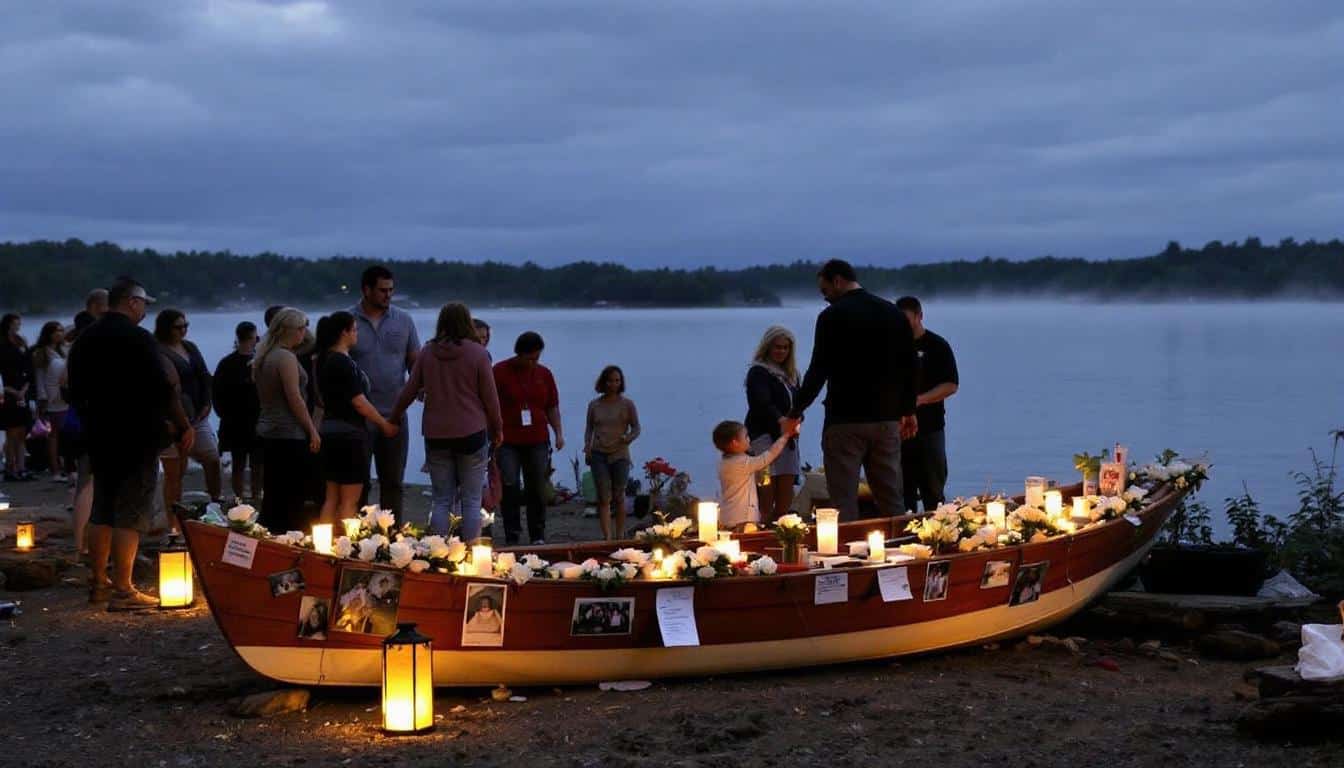
Community members have organized vigils and launched awareness campaigns emphasizing the dangers of impaired boating. Schools, closely connected through Stehle’s role as a social worker, have also extended support to affected families, underscoring the social ripple effects of the accident. Parenting groups and local legislators have called for immediate action to enhance safety regulations.
- Vigils and Memorials: Organized to honor the victim and support affected families;
- Awareness Campaigns: Focused on alcohol-free boating and life jacket use;
- Legislative Calls: Demands for tighter boating control and owner accountability;
- Community Support Networks: Assistance for injured victims and grieving families;
- Boating Enthusiasts’ Role: Advocating responsible boating culture for safer waterways.
This tragedy has thus catalyzed a collective reckoning within North Carolina’s boating circles and the general public, shining a necessary light on the risks inherent to lake and water recreation. The community’s response not only contributes to healing but also fosters a proactive approach to prevent future incidents.
Readers interested in following community updates and safety advocacy related to this case should check this detailed report and local news coverage.
Historical and Cultural Context of Boating Accidents in North Carolina Lakes
Boating tragedies are not unfamiliar in North Carolina, where thousands enjoy lakes and waterways each year. However, accidents as severe as the Harris Lake incident serve as stark reminders of the persistent challenges in balancing recreation and safety. Historically, North Carolina has seen a fluctuating pattern of boating-related incidents related to alcohol, overcrowding, and operator error.
Examining past cases offers insight into why the Harris Lake crash has ignited such strong reactions:
- Past Tragedies: Records of prior fatal accidents similarly involving impaired operation.
- Regulatory Evolution: Changes in boating laws spurred by incidents and community outcry.
- Community Mobilization: Growth of local safety organizations and public education efforts over decades.
- Technological Advances: Improvements in boat safety technology and enforcement methods.
- Cultural Significance: Boating as a cherished activity shaping regional identity.
| Year | Incident | Outcome |
|---|---|---|
| 2015 | Impaired boating crash on Lake Norman | 2 fatalities, policy revisions |
| 2018 | Overcrowded vessel accident at Jordan Lake | Serious injuries, strengthened capacity laws |
| 2023 | Hit-and-run involving Quinten Kight in Moore County | Legal charges, bail granted |
| 2025 | Harris Lake fatal boating crash | Legal proceedings ongoing |
These historical precedents contextualize the recent accident and offer an opportunity for lawmakers and citizens alike to reflect on progress made and gaps that remain in boating safety. The cultural attachment to lake boating in North Carolina demands that safety be continually advanced to honor both tradition and the sanctity of human life. For a broader perspective on recreational boating incidents, visit this external analysis.

What charges has AnneMarie Flanigan been faced with in relation to the Harris Lake accident?
AnneMarie Flanigan has been charged with death by impaired boating, serious injury by impaired boating, and aiding and abetting impaired boating in connection with the Harris Lake crash.
What evidence suggests Flanigan may be a flight risk?
Prosecutors cited a phone call in which Flanigan mentioned her intention to move to Wisconsin, suggesting she might leave North Carolina during legal proceedings.
Was alcohol consumption a factor in the Harris Lake boating accident?
Yes, investigators found nearly 90 empty alcohol containers on or near the boat, pointing to extensive alcohol consumption, though Flanigan was not impaired during the crash.
How has the North Carolina Supreme Court ruling in State v Gibbs influenced the case?
The ruling establishes that a vehicle owner can be held liable if they knowingly allow an impaired person to operate it. This precedent is applied to hold Flanigan responsible as the boat owner.
What has been the community’s response to the Harris Lake tragedy?
The community has organized vigils, launched awareness campaigns, and called for stricter boating regulations to improve public safety and prevent future tragedies.