


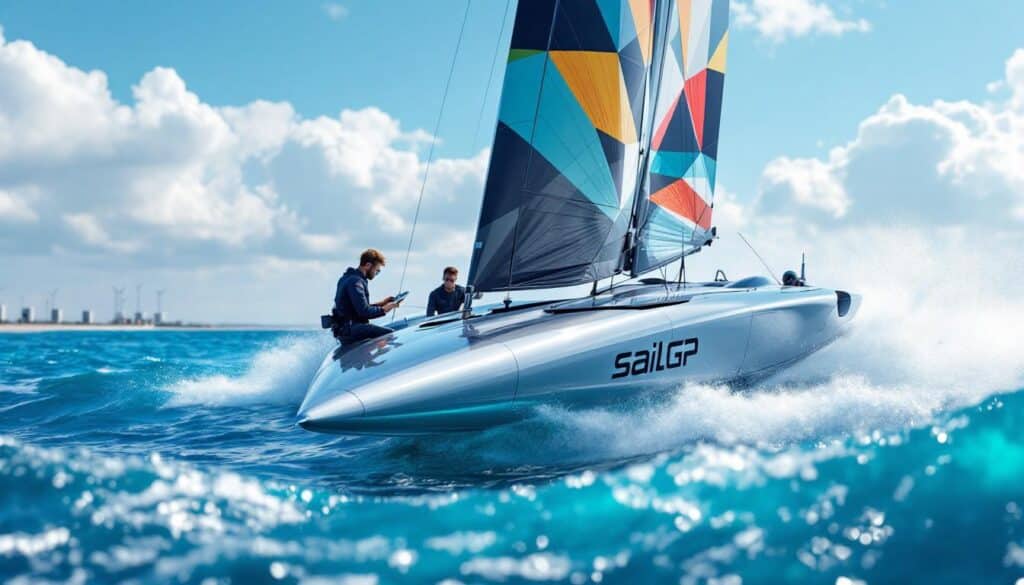
The SailGP competition represents the pinnacle of high-performance sailing, combining cutting-edge technology with demanding racing conditions. As teams like Oracle Team USA and Team New Zealand push the boundaries of speed and agility on the water, the durability and longevity of their vessels have become paramount concerns. The engineering marvels showcased in SailGP are not only speed machines but also highly complex systems that require meticulous care to maintain peak performance across seasons. With carbon engineering innovations, foiling systems advancements, and partnerships with leading industry players such as North Sails, Sparcraft, and Groupe Beneteau, ensuring vessel integrity demands strategic maintenance and forward-thinking solutions.
In today’s competitive marine sports environment, the emphasis on sustained vessel performance has driven adoption of rigorous upkeep routines and technological upgrades. This dedication extends beyond mere aesthetics or periodic repairs; it revolves around an integrated approach to durability that encompasses the hull, rigging, foils, and onboard systems. The challenges faced by SailGP teams are multifaceted, from material wear caused by relentless high-speed impacts to the natural degradation compounded by maritime environments. Addressing these concerns not only preserves the vessels’ operational lifespan but also guarantees safety for crew and minimizes costly downtime.
Moreover, the collaborative efforts between pioneering synthetic sail developers, hull fabricators, and marine service experts ensure that SailGP vessels keep evolving sustainably. The strategic application of carbon composites, adaptive foiling configurations, and next-generation propulsion control all contribute to longevity and consistent top-tier racing capabilities. For stakeholders involved—from designers and technicians to sailors—the mastery of vessel durability strategies is a decisive factor underpinning success on global stages and the advancement of competitive sailing technology.
Advanced Materials and Construction Techniques for SailGP Vessel Longevity
The backbone of ensuring the long-term durability of SailGP vessels lies in the choice of construction materials and manufacturing processes. Modern racing yachts incorporate the latest carbon engineering, where lightweight carbon fiber composites meld with innovative resin systems to create an optimal strength-to-weight ratio. These materials confer exceptional rigidity, enabling vessels to withstand extreme loads encountered during high-velocity foiling maneuvers.
Facilities like Groupe Beneteau have pioneered specialized production methods that emphasize precision layering and curing of carbon composites. Through these techniques, structural integrity is maximized while weight remains minimal, significantly enhancing performance without compromising durability. High-performance laminates are carefully calibrated to resist impacts, fatigue, and UV degradation—common factors that otherwise diminish hull life.
North Sails complements this construction philosophy with advanced sailcloth materials that sustain resiliency across racing seasons. Their engineered woven textiles deliver optimal aerodynamic shape retention and reduced stretch, which reduce stress on mast fittings and spars—a critical consideration given the exerted forces during competitive regattas.
List of crucial materials and construction methods supporting SailGP vessel durability:
- High-modulus carbon fiber composites: For hulls, foils, and spars providing enhanced stiffness
- Vacuum infusion technology: Ensures consistent resin distribution, minimizing voids and improving strength
- Nano-enhanced resin systems: Increasing resistance to micro-cracking and environmental stress
- Aramid fibers in high-impact areas: Added toughness on foiling appendages and rudders
- Advanced sailcloth treatments: UV protection and moisture repellency extending sail lifecycle
This focus on material excellence is vital as it directly influences repair cycles and the ability to sustain component performance under extreme stresses during championships. In addition, collaborations with companies like Sparcraft contribute to the development of ultra-lightweight spars that resist deformation, further extending vessel operational limits. The technical depth involved in these materials and methods reflects the sport’s reliance on technological innovation and precision engineering.
| Component | Material/Technique | Key Benefit | Impact on Longevity |
|---|---|---|---|
| Hull | High-modulus carbon fiber with vacuum infusion | Lightweight, high rigidity | Reduces fatigue and damage from dynamic loads |
| Foils & Rudders | Carbon fiber with aramid fiber reinforcement | Enhanced toughness under impact | Minimizes micro-cracking and collisions damage |
| Spars | Ultra-lightweight carbon composites (Sparcraft design) | Maintains mast integrity under high loads | Extends service life, reduces replacements |
| Sails | North Sails engineered woven textiles | Shape stability, UV resistance | Preserves aerodynamic efficiency season-to-season |
For readers aiming to deepen understanding of marine vessel upkeep, resources such as the article on transforming ship longevity through maintenance offer valuable strategies applicable to racing craft. Also, this guide from research gate’s navigational maintenance insights provides foundational knowledge on marine vessel care relevant to SailGP teams.
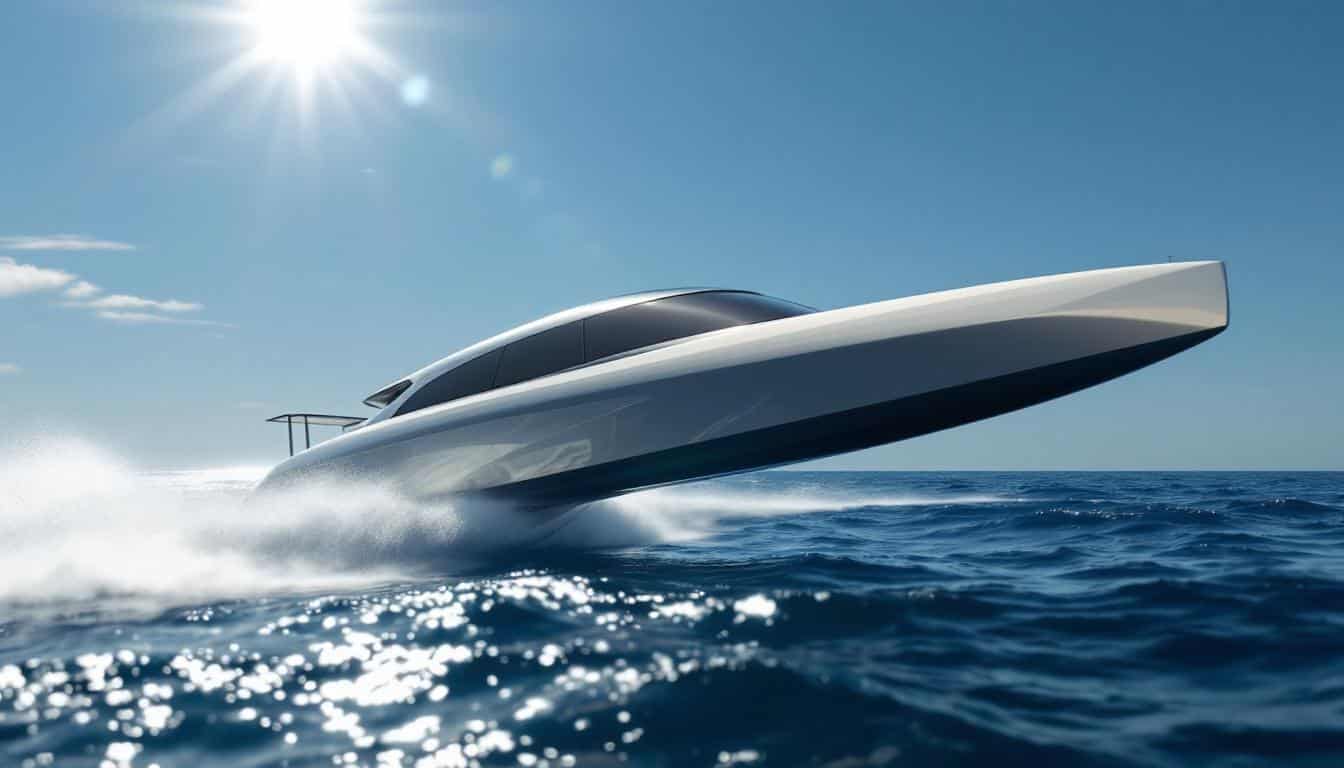
Integrated Preventive Maintenance Protocols to Sustain SailGP Fleet Performance
Maintaining cutting-edge racing vessels mandates a rigorous and preventive maintenance approach to avoid major failures during the highly demanding SailGP circuits. High stresses on hulls, foiling systems, and rigging necessitate frequent inspections and timely interventions. This proactive strategy focuses on early detection of wear, structural fatigue, or mechanical inefficiencies to uphold vessel integrity throughout the racing calendar.
Teams integrate diagnostics tools capable of monitoring stress loads, vibration anomalies, and micro-fractures in real time. Such capabilities allow for in-depth predictive maintenance plans, reducing unexpected breakdowns and optimizing repair intervals. For example, sensors embedded within Sparcraft masts or foiling components supply continuous data to shore-based engineers for analysis.
Core components of an effective preventive maintenance program for SailGP vessels:
- Regular structural ultrasound and thermographic scans: To uncover hidden delamination or voids in carbon laminates
- Routine rigging tension checks: Ensuring spars and rigging meet precise mechanical specs
- Periodic foiling system calibration: Adjusting control surfaces for optimal lift and balance
- Detailed cleaning and corrosion control: Eliminating salt accumulation and micro-debris from critical surfaces
- Engine and hydraulic system checks: Verified by Racing Marine specialists to ensure propulsion reliability
Utilizing expert marine services such as Racing Marine allows access to dedicated teams familiar with the technological nuances specific to SailGP vessels. The application of advanced repair techniques limits downtime and extends component life, critical during tight competition schedules. The role of preventive maintenance in ship longevity is widely recognized across the industry, emphasizing the financial and safety benefits of such practices.
| Maintenance Aspect | Frequency | Method | Effect on Vessel |
|---|---|---|---|
| Structural Scanning | Monthly during race season | Ultrasound & Thermography | Detects hidden damage early, preventing failures |
| Rigging Tension | Weekly before races | Tension gauge calibration | Preserves mast and rigging safety |
| Foiling System Check | Bi-weekly | Hydraulic & mechanical adjustment | Enhances lift efficiency and balance |
| Engine & Hydraulic | Pre- and post-race | Technical inspection by Racing Marine | Maintains power delivery and safety |
Discovering more about best practices for vessel maintenance can be enhanced by consulting 3M Marine’s guide on maximizing vessel longevity or expert insights from 2 Sisters Garlic’s vessel care tips. These expert sources parallel the stringent needs of competitive sailing craft upkeep.
Optimizing Foiling Systems for Extended High-Speed Performance
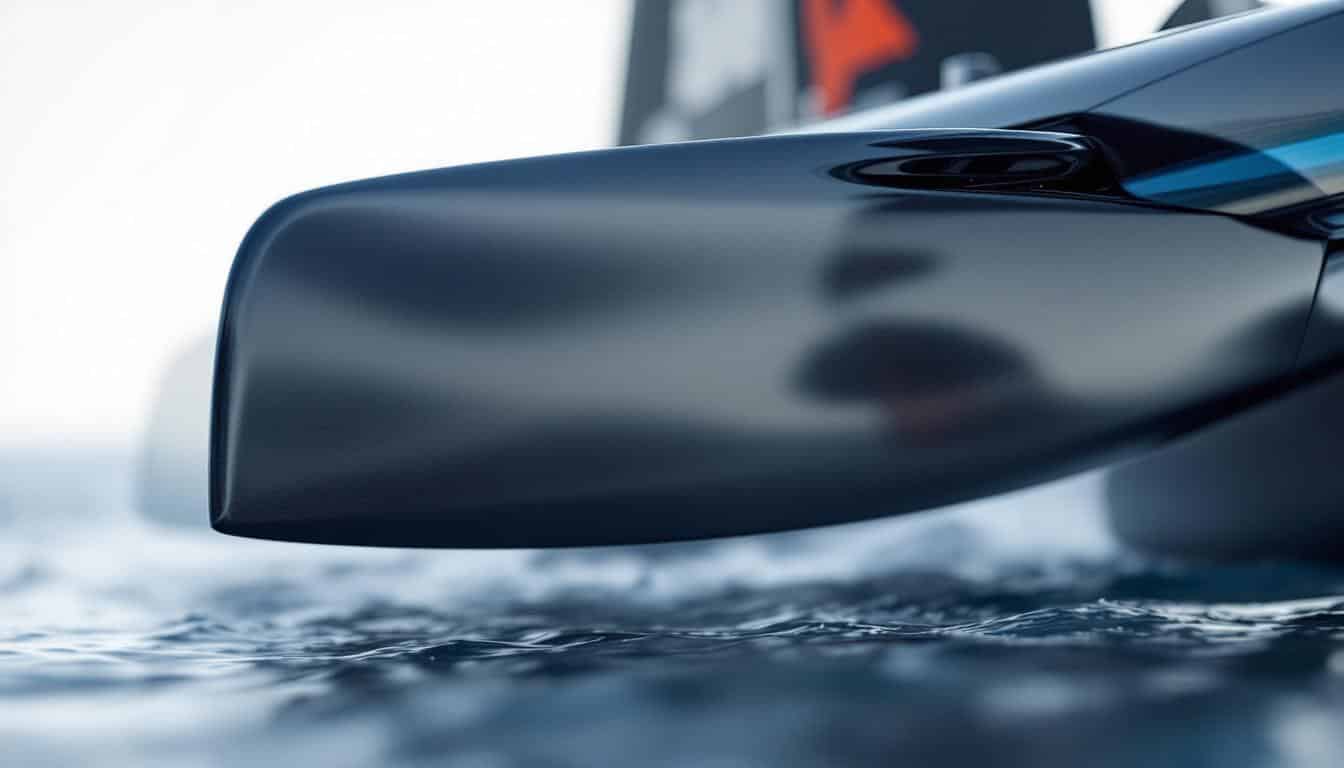
At the heart of every SailGP vessel’s remarkable speed are the foiling systems that lift hulls above the water, drastically reducing drag. The complex architecture integrating carbon engineering and hydrodynamic design demands precision manufacturing and continuous refinement to remain durable and effective.
Foiling components typically experience intense mechanical stress, impact with water surfaces, and abrasive wear from saltwater exposure. Longevity strategies focus on selecting materials that combine strength with flexibility, employing coatings that resist corrosion, and implementing design innovations that facilitate easy maintenance.
Key approaches to foiling system durability and efficiency:
- Use of ultra-resistant carbon and aramid fiber composites: High impact tolerance while maintaining light weight
- Hydrophobic and anti-corrosion coatings: Protecting surfaces against saltwater degradation
- Modular foil sections: Simplifying replacement of damaged parts without full system overhaul
- Precision engineering with Sparcraft collaboration: Achieving tight tolerances for improved control and reduced wear
- Regular hydraulic system flushing: To prevent corrosion and maintain responsiveness
One notable example involves Team New Zealand’s iterative improvements in foiling configurations, where constant data-driven adjustments have improved foil resilience significantly over recent seasons. This example reflects how advanced analytics combined with hands-on engineering elevate vessel durability.
| Foiling System Feature | Material/Method | Benefit | Implication for Longevity |
|---|---|---|---|
| Foil Blades | Carbon fiber with aramid fiber overlay | Combines stiffness and impact resistance | Less prone to cracking and abrasion |
| Foil Masts | High-tolerance Sparcraft composites | Precision fit prevents stress concentrations | Extends service interval |
| Surface Treatments | Hydrophobic coatings | Reduces biofouling and salt corrosion | Maintains smooth operation over time |
| Hydraulic Controls | Regular flushing and servicing | Prevents fluid contamination and corrosion | Ensures system reliability |
Understanding these systems’ maintenance is vital, and detailed insights can be investigated further at Ship Universe’s fleet longevity strategies. This resource elaborates on best practices for complex marine components, echoing the precision care SailGP vessels necessitate.
Collaborative Innovation: Industry Leaders Driving SailGP Vessel Excellence
The progression of SailGP vessel durability is deeply intertwined with collaboration among industry front-runners who merge expertise in design, material science, and marine engineering. The IYRU (International Yacht Racing Union) standards continue to influence innovation aligned with competitive fairness and safety.
Oracle Team USA, for example, partners extensively with Racing Marine and Sparcraft to co-develop masts and rigging optimized for longevity amid extreme race conditions. Groupe Beneteau contributes by refining hull construction technologies, integrating carbon engineering advancements for sturdier structures. Meanwhile, North Sails innovates sail materials that enhance endurance without adding weight.
Advantages gained through collaborative innovation include:
- Streamlined material development: Combining laboratory advances with field testing to ensure real-world durability
- Shared technological platforms: Enabling rapid prototyping and deployment of upgrades
- Integrated maintenance workflows: Coordinating teams for predictive servicing scheduling
- Innovative foiling systems design: Reflecting input from multiple engineering disciplines for robustness
- Compliance with IYRU regulations: Securing race legitimacy while pushing performance boundaries
The synergy between these organizations has elevated SailGP vessels to a level where they embody both speed and reliability. Such partnerships represent a blueprint for sustained excellence that transcends single-vessel programs and embodies principles applicable to broader marine engineering fields.
| Organization | Area of Expertise | Contribution to SailGP | Impact on Vessel Durability |
|---|---|---|---|
| Oracle Team USA | Race Strategy & Engineering | Mast & Rigging Design Integration with Racing Marine | Advanced systems reducing rigging failure rates |
| Team New Zealand | Foiling Innovation & Analysis | Iterative foil component refinement | Extended foil service life, improved performance |
| Groupe Beneteau | Hull Manufacturing | Advanced carbon fiber hull fabrication | Increased hull fatigue resistance |
| North Sails | Sail Materials R&D | Durable, lightweight sailcloth development | Prolonged sail lifespan and shape retention |
For those interested in gaining insights into fine craftsmanship and bespoke vessel projects, resources such as custom power boats portfolios and wooden boats craftsmanship showcases demonstrate the dedication to quality that parallels high-performance racing yacht construction. These illustrate the cultural value and technical expertise shaping the SailGP vessel ecosystem.
Data-Driven Strategies to Monitor and Enhance SailGP Vessel Durability
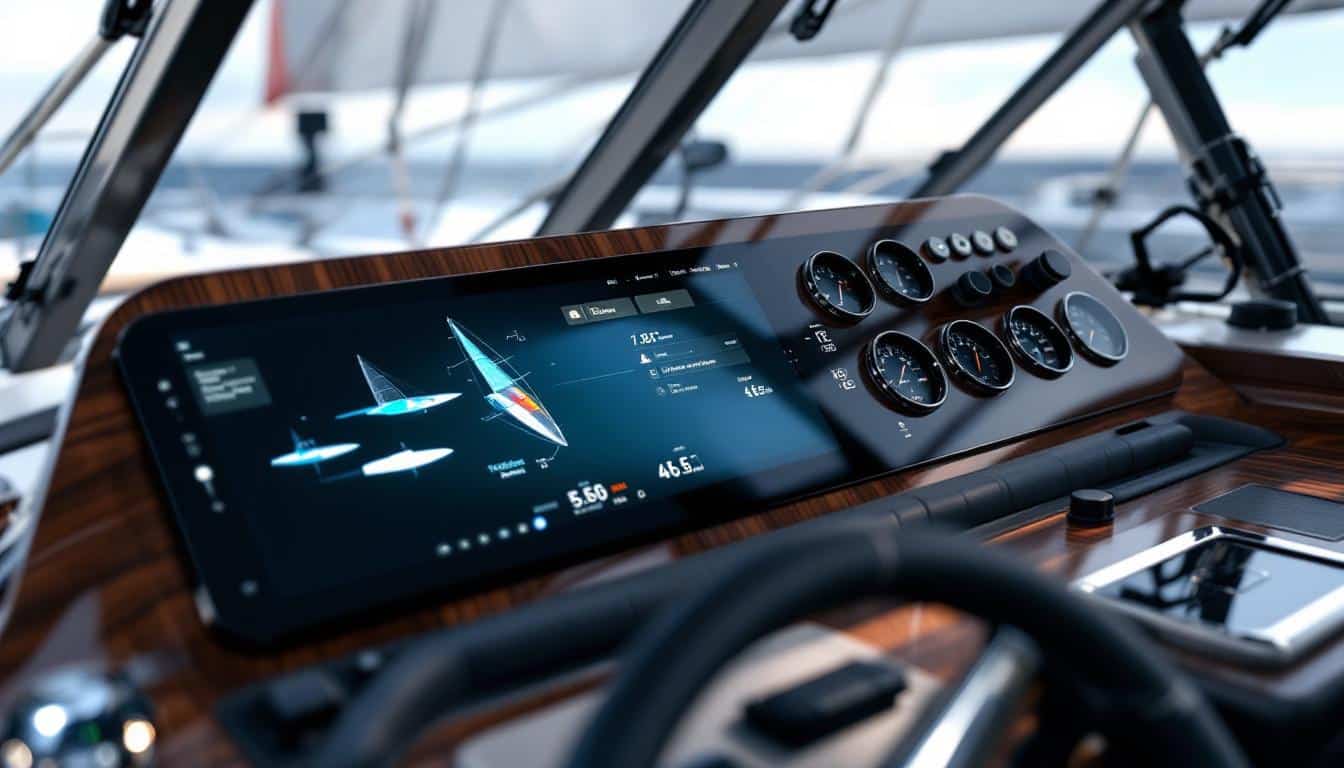
Harnessing technology in 2025 means the durability of SailGP vessels is increasingly assessed using sophisticated data analytic tools. Sensors embedded throughout the craft monitor real-time stress, temperature fluctuations, and material strain. This surveillance enables teams to predict component degradation before symptoms become critical, thereby preventing catastrophic failures and costly repairs.
The data streams collected are analyzed via machine learning algorithms that identify patterns indicative of emerging issues. For example, members of Oracle Team USA utilize proprietary software interfacing with hydraulic and foiling system sensors to optimize performance while preserving system health. This digital twin concept replicates vessel conditions virtually, guiding maintenance priorities with empirical evidence.
Elements of data-driven durability management include:
- Continuous sensor monitoring: Measuring strain, vibration, temperature, and hydraulic pressures
- Predictive maintenance algorithms: Leveraging machine learning to forecast component wear
- Digital twin models: Simulating vessel behavior under various stresses for preventive adjustments
- Integration with maintenance schedules: Facilitating timely servicing during off-peak periods
- Collaborative data sharing: Enhances technology transfer among SailGP teams and partners
| Technology | Function | Benefit | Longevity Impact |
|---|---|---|---|
| Embedded Strain Sensors | Measures structural loads on foils and hull | Detects stress accumulation early | Prevents sudden failures, extends life |
| Machine Learning Algorithms | Analyzes wear patterns and forecasts issues | Optimizes maintenance timing and resources | Reduces unscheduled downtime |
| Digital Twin Simulation | Models vessel response under race conditions | Guides design tweaks and operational limits | Enhances durability planning |
Detailed discussions about marine engine durability and maintenance can be found at BoatsGeek’s marine diesel engine life expectancy, illuminating parallels in how propulsion system upkeep harmonizes with hull and rigging care. Similarly, Products of Tomorrow’s expert maintenance perspectives align well with SailGP’s comprehensive durability imperatives.
Frequently Asked Questions about SailGP Vessel Longevity
- What role does carbon engineering play in enhancing SailGP vessel durability?
Carbon engineering allows creation of strong yet lightweight components that withstand race stresses, improving both speed and vessel lifespan. - How is preventive maintenance implemented on high-performance racing yachts?
Through scheduled inspections, use of diagnostic sensors, and expert servicing, teams detect early signs of wear and address them before failure. - Why is foiling system maintenance critical to SailGP vessel performance?
Foiling systems reduce water drag; their maintenance ensures these components remain responsive and intact under high loads, preventing loss of speed and control. - How do collaborations between teams and marine engineers influence vessel longevity?
They drive innovation, improve material applications, and standardize maintenance protocols, elevating durability and race readiness. - Can data analytics reduce unexpected repairs in SailGP vessels?
Yes, embedded sensors combined with machine learning forecast part deterioration, enabling preemptive repairs and thus avoiding costly breakdowns.